Everything You Wanted to Know About T-SHIRT and Were Too Embarrassed to Ask
The T-shirt is one of the most familiar items of clothing on the planet. Almost everyone owns at least one, and many people own dozens. It crosses borders, ages, genders, cultures, and social classes. You can find it on fashion runways in Paris, in rural villages, in corporate offices on casual Fridays, at political rallies, rock concerts, gyms, schools, and even weddings. Despite being so common, the T-shirt has a surprisingly rich history, complex manufacturing process, deep cultural meaning, and many details that people rarely stop to think about.
This article explores everything you ever wanted to know about the T-shirt—from its origins and evolution to fabrics, fits, printing methods, symbolism, sustainability, and care—without assuming any prior knowledge. Whether you wear T-shirts every day or are simply curious about why this simple garment has become a global icon, this guide will answer questions you may never have thought to ask.
1. What Exactly Is a T-Shirt?
A T-shirt is a short-sleeved, collarless top typically made of knit fabric, most commonly cotton or a cotton blend. Its name comes from its shape: when laid flat, the body and sleeves form a “T.” Unlike shirts with buttons, collars, or plackets, a traditional T-shirt is pulled over the head and designed for comfort, simplicity, and ease of movement.
At its core, the T-shirt is defined by:
A round neckline (crew neck is most common)
Short sleeves (though variations exist)
A straight or slightly tapered body
Soft, stretchable fabric
Over time, designers have stretched this definition with V-necks, long sleeves, oversized cuts, cropped styles, and hybrid designs, but the essential idea remains the same.
2. The Surprising History of the T-Shirt
Early Origins
The T-shirt did not begin as fashion. Its roots trace back to the late 19th and early 20th centuries as an undergarment. Before T-shirts, men often wore one-piece union suits (long underwear) under their clothes. As labor conditions grew hotter and more physically demanding, workers began cutting these suits in half, creating a separate top and bottom.
Military Influence
The modern T-shirt gained popularity during World War I and World War II, when the U.S. Navy issued short-sleeved cotton undershirts to sailors. These shirts were lightweight, washable, and comfortable in hot climates. Soldiers returning home continued wearing them, sometimes as outerwear, which was considered bold at the time.
Hollywood and Rebellion
In the 1950s, Hollywood transformed the T-shirt into a symbol of youthful rebellion. Actors like Marlon Brando in A Streetcar Named Desire and James Dean in Rebel Without a Cause wore plain white T-shirts on screen, challenging traditional dress codes. What was once underwear became a statement.
From Basic to Iconic
By the 1960s and 1970s, T-shirts became a canvas for self-expression—featuring slogans, band logos, political messages, and artwork. From then on, the T-shirt evolved into a cultural and commercial powerhouse.
3. Why Is the T-Shirt So Popular?
The global popularity of the T-shirt is no accident. Several factors contribute to its enduring success:
Comfort: Soft fabrics and simple construction make it easy to wear all day.
Affordability: T-shirts can be produced at many price points.
Versatility: They can be casual, sporty, fashionable, or even semi-formal when styled correctly.
Universality: T-shirts are worn by all genders and ages.
Customization: Printing and embroidery allow endless personalization.
Few garments balance practicality and expression as effectively as the T-shirt.
4. Fabrics: What Are T-Shirts Really Made Of?
Cotton
Cotton is the most common T-shirt fabric. It is breathable, soft, and comfortable against the skin. There are several types of cotton:
Regular cotton: Affordable and widely used
Combed cotton: Softer, with impurities removed
Ringspun cotton: Stronger and smoother
Organic cotton: Grown without synthetic pesticides
Blends
Many T-shirts use blended fabrics:
Cotton-polyester: More durable, wrinkle-resistant, and affordable
Tri-blend (cotton, polyester, rayon): Extremely soft with a vintage feel
Synthetic Fabrics
Polyester: Moisture-wicking and quick-drying, popular in sportswear
Rayon/Viscose: Lightweight and drapes well
Elastane/Spandex: Adds stretch for fitted styles
The choice of fabric affects comfort, durability, price, and environmental impact.
5. Fit Matters More Than You Think
Many people buy T-shirts without considering fit, yet it dramatically changes how a shirt looks and feels.
Common Fits
Regular fit: Balanced and comfortable
Slim fit: Tapered for a modern, body-hugging look
Oversized fit: Loose and relaxed, often trendy
Athletic fit: Broader shoulders, narrower waist
Key Fit Areas
Shoulders: Seams should align with your shoulder edge
Sleeves: Should end mid-bicep for a classic look
Length: Ideally ends a few inches below the waistline
A well-fitting T-shirt can elevate even the simplest outfit.
6. Necklines: More Than Just Style
The neckline of a T-shirt affects both appearance and comfort.
Crew neck: Classic, round neckline; suits most body types
V-neck: Creates a longer neckline; can look more refined
Scoop neck: Wider and deeper; often used in fashion styles
Henley: Buttoned placket adds a casual-smart touch
Choosing the right neckline can complement facial shape and body proportions.
7. The T-Shirt as a Cultural Symbol
The T-shirt is more than clothing—it’s a message.
Identity and Expression
Band T-shirts show musical taste. Graphic tees reveal humor or beliefs. Sports T-shirts display loyalty. Political T-shirts communicate values.
Protest and Power
From civil rights movements to modern activism, T-shirts have been used as tools of protest. A slogan on a shirt can be as powerful as a speech.
Branding and Marketing
Companies use T-shirts as walking advertisements. A well-designed branded T-shirt can create emotional connections and brand loyalty.
8. Printing and Decoration Methods
T-shirts become unique through decoration. Common methods include:
Screen printing: Durable and vibrant; ideal for bulk orders
Heat transfer: Flexible for small quantities
Direct-to-garment (DTG): Prints detailed designs directly onto fabric
Embroidery: Adds texture and a premium feel
Sublimation: Dye infused into fabric, mostly for polyester
Each method affects cost, durability, and appearance.
9. Sustainability and Ethical Concerns
The global T-shirt industry has a significant environmental footprint.
Environmental Impact
High water usage in cotton farming
Chemical dyes polluting water systems
Textile waste from fast fashion
Ethical Issues
Low wages and unsafe working conditions in some factories
Child labor in certain regions
Sustainable Alternatives
Organic or recycled fabrics
Fair-trade manufacturing
Buying fewer, higher-quality T-shirts
Recycling or upcycling old shirts
Consumers increasingly demand transparency and responsibility from brands.
10. How to Care for Your T-Shirts Properly
Proper care extends the life of a T-shirt.
Wash in cold water to prevent shrinking and fading
Turn printed shirts inside out
Avoid excessive heat when drying
Do not iron directly on prints
Fold instead of hanging to maintain shape
Simple habits can double the lifespan of your favorite T-shirts.
11. Styling the T-Shirt: From Casual to Classy
The T-shirt is a styling chameleon.
Casual: Pair with jeans and sneakers
Smart casual: Combine with chinos and a blazer
Streetwear: Oversized tee with joggers or cargo pants
Layered: Under jackets, hoodies, or shirts
The same T-shirt can look completely different depending on how it’s styled.
12. The Future of the T-Shirt
Despite constant fashion changes, the T-shirt shows no signs of disappearing. Innovations in fabric technology, digital printing, smart textiles, and sustainable production continue to reshape this classic garment.
The future T-shirt may:
Monitor body temperature
Be fully biodegradable
Be customized on demand
Be produced with zero waste
Yet, its core purpose—comfort, simplicity, and expression—will remain unchanged.
The T-shirt may seem simple, but it carries a deep history, complex production process, and powerful cultural meaning. It has evolved from an invisible undergarment to a global symbol of identity, rebellion, comfort, and creativity. Understanding fabrics, fits, sustainability, and care helps us appreciate why this humble garment deserves its iconic status.
So the next time you put on a T-shirt, remember: you’re not just wearing a piece of fabric—you’re wearing over a century of history, culture, and innovation stitched into one of the most important garments ever created.
Digital Marketing: Driving Business Growth in the Modern World
Introduction
In the modern world, technology has changed the way businesses operate and communicate with customers. Digital marketing has become one of the most powerful tools for business growth by using online platforms to reach, engage, and convert customers effectively. It allows companies to stay competitive in an increasingly digital marketplace.
Understanding Digital Marketing
Digital marketing refers to the promotion of products, services, and brands through digital channels such as websites, search engines, social media, email, and mobile applications. Unlike traditional marketing, digital marketing enables direct communication with customers, personalized messaging, and real-time performance measurement.
Key Digital Marketing Strategies
Social Media Marketing
Social media platforms like Facebook, Instagram, LinkedIn, and YouTube help businesses connect with their target audience through engaging content and paid advertisements. These platforms increase brand awareness, encourage customer interaction, and build long-term relationships.
Search Engine Optimization (SEO)
SEO plays a vital role in driving organic traffic to websites. By optimizing content with relevant keywords and improving website structure, businesses can achieve higher rankings on search engines and gain credibility among customers.
Content Marketing
Content marketing focuses on creating valuable and informative content such as blogs, videos, and infographics. Quality content attracts potential customers, builds trust, and positions a brand as an industry expert.
Email and Paid Advertising
Email marketing allows businesses to communicate directly with customers through personalized messages, promotions, and updates. Paid digital advertising, such as Google Ads and social media ads, helps businesses reach specific audiences and achieve faster results.
Role of Data and Analytics
One of the greatest advantages of digital marketing is the ability to measure results. Analytics tools provide insights into customer behavior, campaign performance, and conversion rates. Businesses can use this data to improve strategies, reduce costs, and increase return on investment (ROI).
Impact on Business Growth
Digital marketing drives business growth by expanding market reach, increasing brand visibility, and generating quality leads. It is cost-effective, scalable, and suitable for businesses of all sizes—from startups to multinational companies.
Conclusion
Digital Marketing is a key driver of business growth in the modern world. By combining creativity, technology, and data-driven strategies, businesses can connect with customers more effectively, adapt to changing market trends, and achieve long-term success in the digital age.
The hidden beauty of Bangladesh unfolds through untold stories, breathtaking landscapes, and rich cultural traditions that remain unseen by many travelers. Beyond the popular destinations, the country offers serene rivers, remote villages, and natural wonders waiting to be discovered.
From misty hills to riverine villages, the hidden beauty of Bangladesh continues to surprise travelers seeking authentic experiences.
Hidden Beauty of Bangladesh Secret Natural Paradises
While tourists flock to Cox’s Bazar or the Sundarbans, other gems lie in silence. Sajek Valley’s rolling hills, Rangamati’s peaceful lakes, and Patenga’s serene sunsets offer experiences that feel untouched by time. These hidden paradises invite travelers to slow down and connect with nature. According to the Bangladesh Tourism Board, the hidden beauty of Bangladesh includes natural landscapes, cultural heritage, and historical sites that remain largely unexplored.
Sajek valley
Shrimongal
Untold Cultural Treasures
Bangladesh is home to dozens of ethnic communities, each with its own language, music, and crafts. Visiting small villages in the Chittagong Hill Tracts or Sylhet introduces travelers to festivals, handwoven textiles, and local cuisines rarely featured in guidebooks. These are the stories of everyday life, rich and authentic.
Historical Wonders Off the Beaten Path
Beyond the well-known Lalbagh Fort or Ahsan Manzil, places like Mahasthangarh, Paharpur, and Sonargaon hold secrets of ancient civilizations. Walking through these sites, one can almost hear whispers of the past — stories of trade, artistry, and early settlements that shaped modern Bangladesh.
Eco-Adventures and Sustainable Travel
Bangladesh’s natural and cultural beauty
Hidden spots like Bandarban or river villages not only amaze with their beauty but also support sustainable tourism. Travelers can enjoy nature responsibly while contributing to local communities, learning about life that thrives away from urban noise.
Hidden Beauty of Bangladesh -Human Stories that Matter
What makes Bangladesh truly special is its people. In hidden corners, travelers meet locals whose hospitality, traditions, and daily life tell a story more vivid than any brochure. These untold stories — of resilience, joy, and connection — make the journey unforgettable.
Hidden Beauty of Bangladesh
Conclusion:
Bangladesh is a treasure trove of unseen beauty. To truly discover it, one must leave the crowded paths and listen to its whispers — the hills, rivers, villages, and people all have stories that deserve to be heard. Exploring these hidden gems is not just sightseeing; it’s a journey into the soul of Bangladesh.
In today’s hyper-connected world, Digital Marketing is no longer just an option; it is a necessity. However, the landscape has shifted. The integration of Artificial Intelligence (AI) is revolutionizing how brands connect with consumers, making marketing smarter, faster, and more personalized than ever before.
1. What is Digital Marketing?
At its core, digital marketing is the promotion of products or brands using the internet and digital communication. This includes not only email, social media, and web-based advertising, but also text and multimedia messages. Key pillars include:
AI acts as the “brain” behind modern marketing strategies. It analyzes massive amounts of data to predict consumer behavior and automate complex tasks.
Hyper-Personalization: AI algorithms analyze user patterns to suggest products you actually want to buy. Think of Netflix’s “Recommended for You” or Amazon’s product suggestions.
AI-Powered Content Creation: Tools like ChatGPT, Gemini, and Midjourney allow marketers to generate high-quality blogs, social media posts, and images in seconds.
Predictive Analytics: AI can predict future trends by looking at historical data, helping businesses decide where to invest their budget for the best ROI (Return on Investment).
Smart Chatbots: AI-driven bots provide 24/7 customer service, solving queries instantly without human intervention.
3. Essential AI Tools for Marketers
To stay competitive in 2026, marketers are utilizing a variety of specialized tools:
Category
Popular AI Tools
Content & Copywriting
ChatGPT, Gemini, Jasper
Design & Visuals
Canva Magic Design, Midjourney
SEO & Research
Semrush, Surfer SEO
Email Automation
Mailchimp (AI features), Seventh Sense
4. The Human-AI Collaboration
A common misconception is that AI will replace marketers. In reality, AI is a co-pilot. While AI handles data processing and automation, humans provide the emotional intelligence, storytelling, and ethical judgment that machines cannot replicate.
Conclusion
Digital marketing is evolving from “mass broadcasting” to “one-on-one conversations” thanks to Artificial Intelligence. For businesses and individuals, the goal is clear: embrace AI tools to enhance efficiency while keeping the human touch at the center of every campaign.
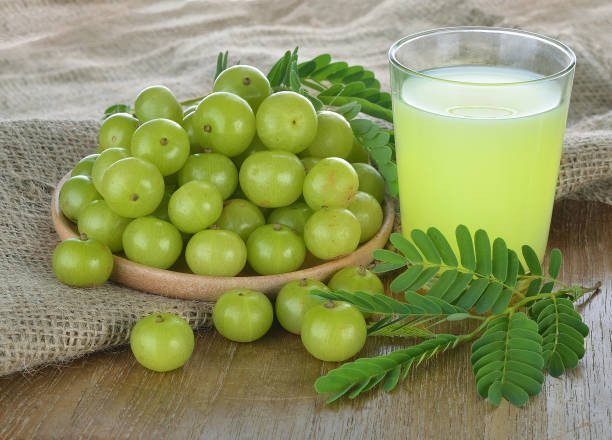
In the rapidly evolving wellness landscape, the global community has witnessed a massive resurgence in the reliance on ancient Ayurvedic superfoods, with Amla—the Indian Gooseberry—standing at the very pinnacle of this movement. As consumers move away from synthetic chemicals and towards bioactive, plant-based solutions, Amla has been scientifically validated as one of the most nutrient-dense fruits on the planet, offering a unique molecular structure that simultaneously addresses cosmetic concerns and systemic health. This small, translucent green fruit is essentially a concentrated biological powerhouse, containing a complex matrix of Vitamin C, tannins, and polyphenols that work synergistically to repair cellular damage. Whether it is the quest for thick, voluminous hair, the desire for a complexion that radiates health without the need for heavy cosmetics, or the urgent need to fortify the human immune system against modern environmental stressors, Amla serves as a comprehensive “all-in-one” solution. Its role in modern pharmacology and dermatology is expanding as research confirms its ability to inhibit oxidative stress and promote collagen synthesis at a foundational level. By bridging the gap between traditional wisdom and contemporary clinical science, Amla has solidified its status as a non-negotiable staple for anyone pursuing a holistic approach to longevity, beauty, and internal vitality in the modern era.
The Power of Amla for Hair Growth
1.Natural Hair Follicle Stimulator
Amla is renowned for its ability to strengthen the roots of the hair. It acts as a vasodilator, improving blood circulation to the scalp. When the hair follicles receive an increased supply of oxygenated blood, the growth cycle (anagen phase) is extended, leading to longer and thicker hair strands.
2. Prevention of Premature Graying
Rich in antioxidants, Amla helps maintain the natural pigment of the hair. It fights the free radicals that cause cellular aging in hair follicles. Many organic hair care brands use Amla extracts as a primary ingredient to prevent the early onset of “silvering” by nourishing the melanocytes.
3. Dandruff and Scalp Health
The anti-fungal and anti-inflammatory properties of Amla make it an excellent remedy for a dry, itchy scalp. It clears away dead skin cells and prevents the buildup of sebum, which can often clog follicles and lead to hair thinning.
Amla for Glowing, Radiant Skin
4. High Collagen Production
Vitamin C is the precursor to collagen production. Since Amla contains nearly 20 times more Vitamin C than an orange, it is a potent anti-aging tool. Regular use helps maintain skin elasticity, reducing the appearance of fine lines and wrinkles.
5. Skin Brightening and De-pigmentation
Amla acts as a natural cleanser that purifies the blood. When consumed or applied topically, it helps fade dark spots, acne scars, and hyperpigmentation, resulting in an even skin tone and a natural, healthy glow.
6. Treatment of Acne and Pores
As an astringent, Amla helps shrink large pores and regulates oil production. This makes it particularly effective for individuals struggling with oily or acne-prone skin, as it prevents the bacterial growth that leads to breakouts.
Fortifying Immunity and Internal Health
7. Immune System Shield
The Vitamin C in Amla is not just for beauty; it is the backbone of the immune system. It enhances the activity of white blood cells, providing a robust defense against seasonal flus and infections. Amla serves as a natural barrier against environmental toxins.
8. Digestive Excellence
Amla is high in fiber, which aids in digestion and prevents constipation. A healthy gut is directly linked to healthy skin; by detoxifying the digestive tract, Amla ensures that nutrients are absorbed efficiently, reflecting on your face and hair.
9. Blood Sugar Regulation
For those managing metabolic health, Amla contains chromium, which has a positive effect on blood glucose levels. It helps keep energy levels stable, preventing the “sugar crashes” that can lead to skin inflammation.
10. Eye Health and Vision
Amla is rich in Vitamin A and carotene, which are essential for maintaining good vision. It helps reduce intraocular pressure and protects the eyes from the strain caused by the digital screens that dominate our lives.
How to Use Amla
To reap these benefits, you can consume Amla juice in the morning, use Amla-infused oils for scalp massages, or apply Amla powder masks to the skin. This “Super-Fruit” remains the most cost-effective and powerful tool in the journey toward holistic wellness.
Please note: Information on health conditions, treatments, and products is not medical advice. Consult with a qualified healthcare professional for personalized guidance.
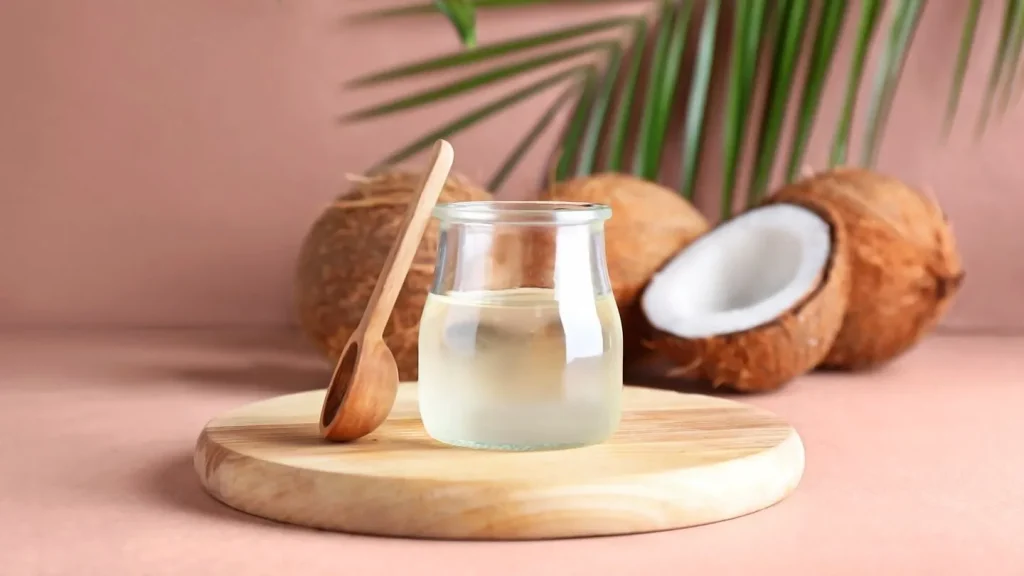
Best Extra Virgin Coconut Oil | For Skin & Hair In USA, write an article
Extra virgin coconut oil (EVCO) is a highly effective, natural, multi-purpose product for enhancing
skin and hair health in the USA due to its richness in fatty acids, vitamins, and antioxidants. Top brands include Nutiva, SheaMoisture, and Viva Naturals, all offering cold-pressed, unrefined options.
Benefits of Extra Virgin Coconut Oil for Skin & Hair
Extra virgin coconut oil (EVCO) is minimally processed, preserving its natural nutrients, aroma, and beneficial compounds like lauric acid and Vitamin E, which offer numerous benefits.
Deep Hydration: EVCO is an excellent emollient and moisturizer, effectively hydrating dry, flaky, or cracked skin and hair. Its medium-chain fatty acids penetrate deeply, locking in moisture and strengthening the skin and hair’s natural barrier.
Antimicrobial Properties: Rich in lauric and capric acids, EVCO possesses natural antibacterial and antifungal properties, which can help manage acne, dandruff, and other scalp conditions.
Anti-Aging and Healing: Packed with antioxidants, the oil helps fight free radicals that cause premature aging, reducing the appearance of fine lines and wrinkles. It also boosts collagen levels, aiding in skin repair and regeneration.
Hair Strengthening & Growth: EVCO’s low molecular weight allows it to penetrate the hair shaft, reducing protein loss and protecting hair from damage caused by heat and styling. Regular scalp massage with the oil can also improve blood circulation, promoting healthy hair growth.
Versatile Use: Beyond moisturization, it can be used as a natural makeup remover, lip balm, shaving cream alternative, massage oil, or mixed into DIY face and hair masks.
Top Extra Virgin Coconut Oil Brands in the USA
When selecting an EVCO, look for terms like “organic,” “unrefined,” and “cold-pressed” on the label to ensure a high-quality product free from chemicals or additives. Based on expert and user reviews, several brands stand out in the US market:
Nutiva Organic Virgin Coconut Oil: Praised for its quality and value, this product is cold-pressed from fresh coconuts in Southeast Asia and is a high-quality, dietician-approved option. Reviewers mention its pleasant taste and aroma, suitable for both cooking and beauty regimens.
SheaMoisture 100% Extra-Virgin Coconut Oil: A classic and highly-rated option for beauty use, this product is described as nothing but high-quality, fair-trade EVCO, rich in Vitamin E and natural triglycerides that nourish skin and hair without clogging pores.
Viva Naturals Organic Extra Virgin Coconut Oil: This unrefined, cold-pressed oil is a user favorite and highly recommended for its effectiveness on eczema-prone skin and as a versatile, non-clumpy oil for various uses.
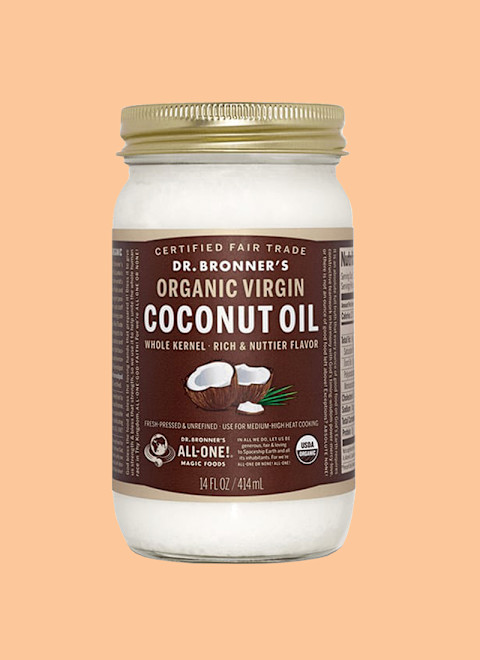
Dr. Bronner’s Fair Trade & Organic Whole Virgin Coconut Oil: This product is certified to USDA standards, expeller-pressed, and noted for its aromatic quality, making it a great choice for those who enjoy scented lotions.
Kopari Organic Coconut Melt: This 100% unrefined, organic coconut oil is derm-tested and considered safe for sensitive skin. It’s a premium beauty-focused product popular as a deep conditioning hair mask or a luxurious all-over moisturizer.
Tips for Best Results
Patch Test: Before applying widely, especially on sensitive or acne-prone skin, perform a patch test to ensure no irritation occurs.
Application Frequency: For hair, use 1-2 times a week as a pre-wash treatment or hair mask. For skin, use as needed, but if you have oily skin, consider using it as a cleanser or a ingredient in a formulated cream to avoid clogged pores.
Warm it Up: The oil is naturally solid at cooler temperatures; warm a small amount between your palms to melt it into a liquid for easier application and better absorption.
Store Properly: Keep the oil in a cool, dry place away from direct sunlight to maintain its quality and nutrient integrity.
The 3 Best Coconut Oils For Skin & Allover Hydration
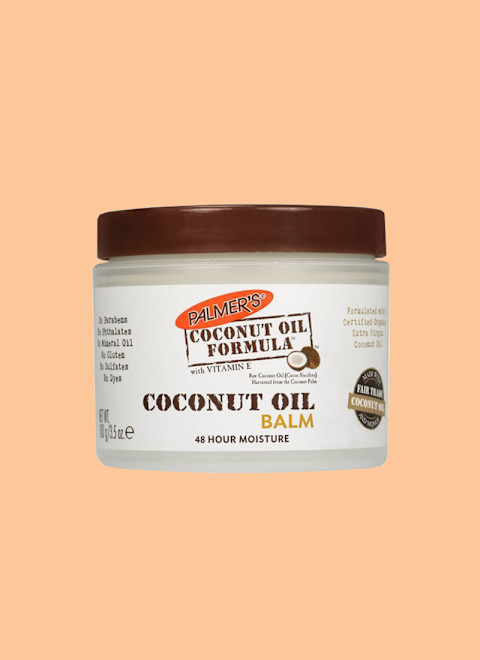
1)Palmers Coconut Oil Balm
This uses fair-trade, organic coconut oil, but it’s then blended with a few other natural butters and oils to give it a thicker texture. How thick? Well it’s almost more a solid than liquid. To use it, you flip the jar over, unscrew the top, and pressed mold is attached to the cap. Then you hold the lid and can glide the product on the skin without getting it all over your hands.
We know we said this list was just for beauty uses, but this one you could use for cooking, too. Yes, it just happens to be a great body lotion. Why? It is expeller-pressed from fresh, carefully dried coconut kernels whose brown inner skins have been left on, resulting in a more aromatic oil. Read: it smells great. This will be your best bet if you are normally one to reach for scented lotions or the like. It’s also certified to USDA-standards.
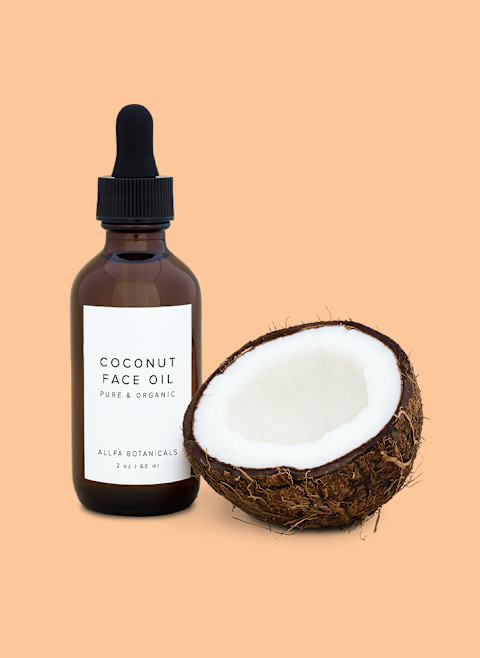
For a luxe face option that’s perfect for tapping on damp skin to seal in moisture, provide ample amounts of vitamin E, and helps balance sebum thanks to its high levels of lauric acid. The coconut oil itself is extracted from the coconut’s kernel and is sustainably sourced from Ecuador.
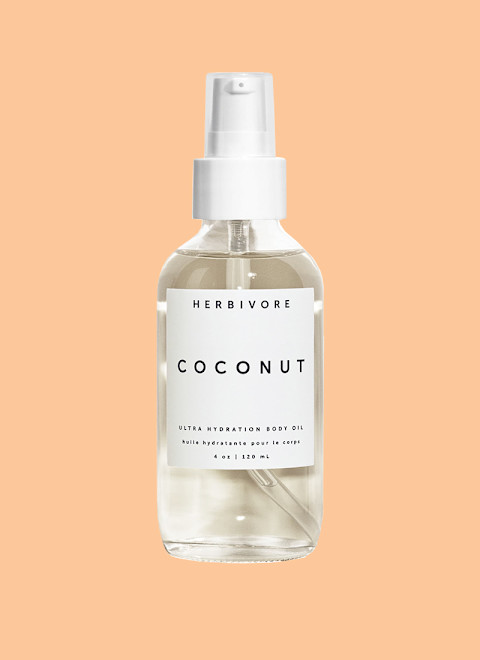
This is the beauty lover’s coconut oil, as it blends together a few other extracts to make the skin care benefits even greater. For example, it contains orchid extract, a natural humectant that draws moisture to the skin and locks it in, as well as camellia seed, which is rich in omega fatty acids. It’s topped with notes of jasmine for a lovely scent.
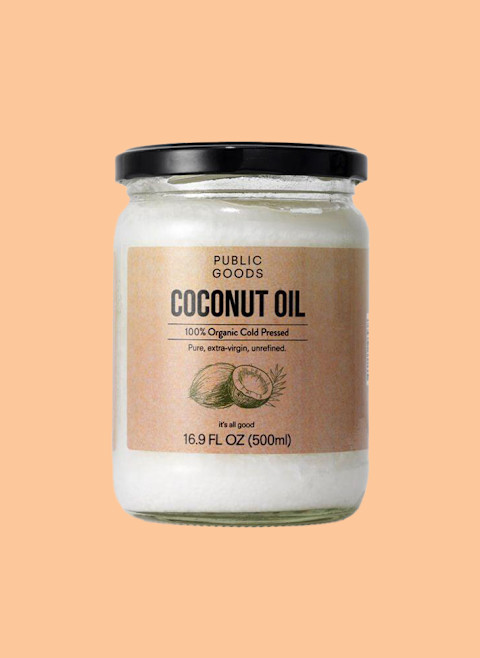
This is a true-multitasker: This can be used for cooking, sautéing, and your kitchen needs—and, yes, all the beauty ones too. And it’s made without processing and deodorizing agents, preservatives, and artificial colors.