
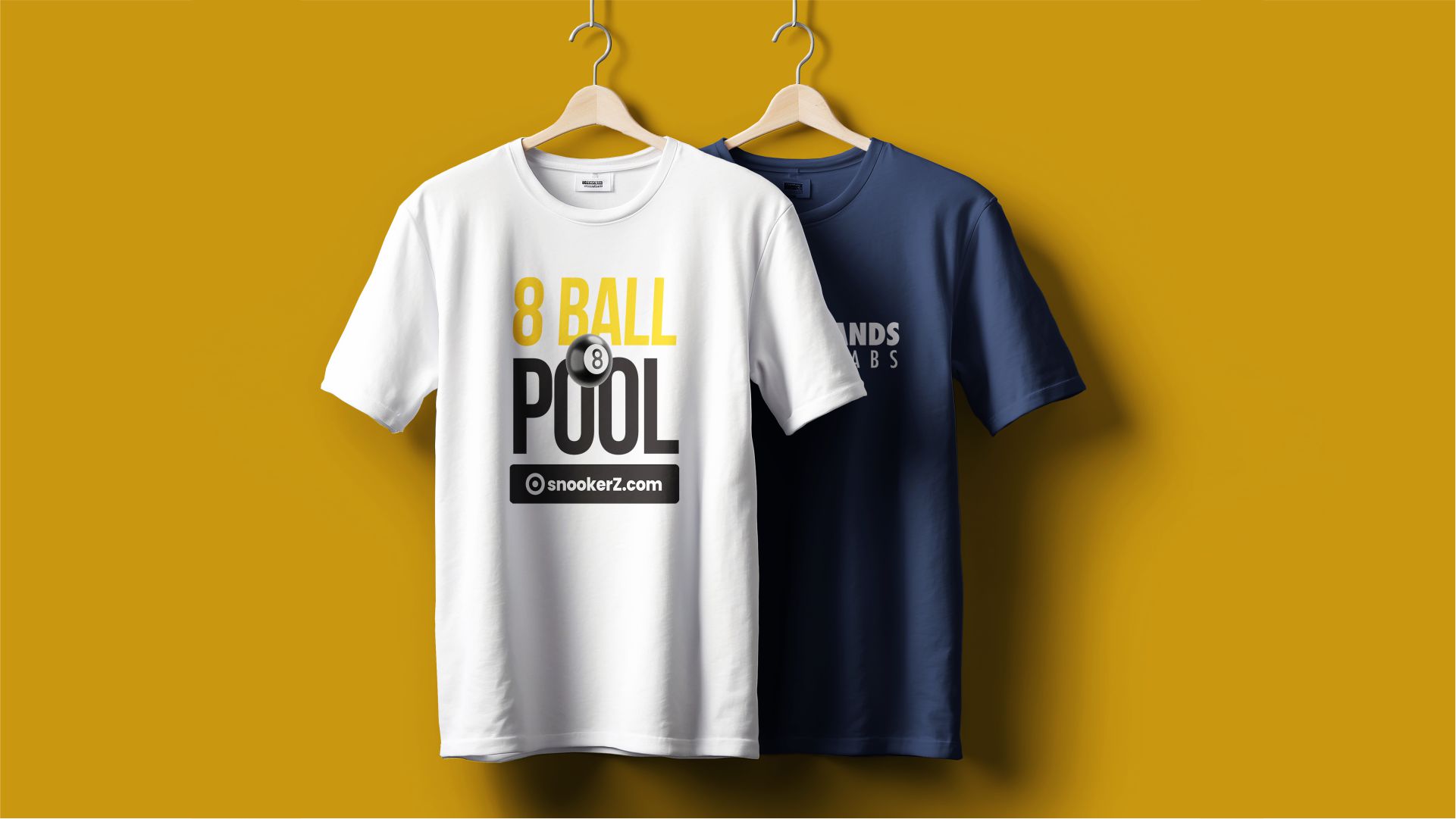
Everything You Wanted to Know About T-SHIRT and Were Too Embarrassed to Ask
The T-shirt is one of the most familiar items of clothing on the planet. Almost everyone owns at least one, and many people own dozens. It crosses borders, ages, genders, cultures, and social classes. You can find it on fashion runways in Paris, in rural villages, in corporate offices on casual Fridays, at political rallies, rock concerts, gyms, schools, and even weddings. Despite being so common, the T-shirt has a surprisingly rich history, complex manufacturing process, deep cultural meaning, and many details that people rarely stop to think about.
This article explores everything you ever wanted to know about the T-shirt—from its origins and evolution to fabrics, fits, printing methods, symbolism, sustainability, and care—without assuming any prior knowledge. Whether you wear T-shirts every day or are simply curious about why this simple garment has become a global icon, this guide will answer questions you may never have thought to ask.
1. What Exactly Is a T-Shirt?
A T-shirt is a short-sleeved, collarless top typically made of knit fabric, most commonly cotton or a cotton blend. Its name comes from its shape: when laid flat, the body and sleeves form a “T.” Unlike shirts with buttons, collars, or plackets, a traditional T-shirt is pulled over the head and designed for comfort, simplicity, and ease of movement.
At its core, the T-shirt is defined by:
- A round neckline (crew neck is most common)
- Short sleeves (though variations exist)
- A straight or slightly tapered body
- Soft, stretchable fabric
Over time, designers have stretched this definition with V-necks, long sleeves, oversized cuts, cropped styles, and hybrid designs, but the essential idea remains the same.
2. The Surprising History of the T-Shirt
Early Origins
The T-shirt did not begin as fashion. Its roots trace back to the late 19th and early 20th centuries as an undergarment. Before T-shirts, men often wore one-piece union suits (long underwear) under their clothes. As labor conditions grew hotter and more physically demanding, workers began cutting these suits in half, creating a separate top and bottom.
Military Influence
The modern T-shirt gained popularity during World War I and World War II, when the U.S. Navy issued short-sleeved cotton undershirts to sailors. These shirts were lightweight, washable, and comfortable in hot climates. Soldiers returning home continued wearing them, sometimes as outerwear, which was considered bold at the time.
Hollywood and Rebellion
In the 1950s, Hollywood transformed the T-shirt into a symbol of youthful rebellion. Actors like Marlon Brando in A Streetcar Named Desire and James Dean in Rebel Without a Cause wore plain white T-shirts on screen, challenging traditional dress codes. What was once underwear became a statement.
From Basic to Iconic
By the 1960s and 1970s, T-shirts became a canvas for self-expression—featuring slogans, band logos, political messages, and artwork. From then on, the T-shirt evolved into a cultural and commercial powerhouse.
3. Why Is the T-Shirt So Popular?
The global popularity of the T-shirt is no accident. Several factors contribute to its enduring success:
- Comfort: Soft fabrics and simple construction make it easy to wear all day.
- Affordability: T-shirts can be produced at many price points.
- Versatility: They can be casual, sporty, fashionable, or even semi-formal when styled correctly.
- Universality: T-shirts are worn by all genders and ages.
- Customization: Printing and embroidery allow endless personalization.
Few garments balance practicality and expression as effectively as the T-shirt.
4. Fabrics: What Are T-Shirts Really Made Of?
Cotton
Cotton is the most common T-shirt fabric. It is breathable, soft, and comfortable against the skin. There are several types of cotton:
- Regular cotton: Affordable and widely used
- Combed cotton: Softer, with impurities removed
- Ringspun cotton: Stronger and smoother
- Organic cotton: Grown without synthetic pesticides
Blends
Many T-shirts use blended fabrics:
- Cotton-polyester: More durable, wrinkle-resistant, and affordable
- Tri-blend (cotton, polyester, rayon): Extremely soft with a vintage feel
Synthetic Fabrics
- Polyester: Moisture-wicking and quick-drying, popular in sportswear
- Rayon/Viscose: Lightweight and drapes well
- Elastane/Spandex: Adds stretch for fitted styles
The choice of fabric affects comfort, durability, price, and environmental impact.
5. Fit Matters More Than You Think
Many people buy T-shirts without considering fit, yet it dramatically changes how a shirt looks and feels.
Common Fits
- Regular fit: Balanced and comfortable
- Slim fit: Tapered for a modern, body-hugging look
- Oversized fit: Loose and relaxed, often trendy
- Athletic fit: Broader shoulders, narrower waist
Key Fit Areas
- Shoulders: Seams should align with your shoulder edge
- Sleeves: Should end mid-bicep for a classic look
- Length: Ideally ends a few inches below the waistline
A well-fitting T-shirt can elevate even the simplest outfit.
6. Necklines: More Than Just Style
The neckline of a T-shirt affects both appearance and comfort.
- Crew neck: Classic, round neckline; suits most body types
- V-neck: Creates a longer neckline; can look more refined
- Scoop neck: Wider and deeper; often used in fashion styles
- Henley: Buttoned placket adds a casual-smart touch
Choosing the right neckline can complement facial shape and body proportions.
7. The T-Shirt as a Cultural Symbol
The T-shirt is more than clothing—it’s a message.
Identity and Expression
Band T-shirts show musical taste. Graphic tees reveal humor or beliefs. Sports T-shirts display loyalty. Political T-shirts communicate values.
Protest and Power
From civil rights movements to modern activism, T-shirts have been used as tools of protest. A slogan on a shirt can be as powerful as a speech.
Branding and Marketing
Companies use T-shirts as walking advertisements. A well-designed branded T-shirt can create emotional connections and brand loyalty.
8. Printing and Decoration Methods
T-shirts become unique through decoration. Common methods include:
- Screen printing: Durable and vibrant; ideal for bulk orders
- Heat transfer: Flexible for small quantities
- Direct-to-garment (DTG): Prints detailed designs directly onto fabric
- Embroidery: Adds texture and a premium feel
- Sublimation: Dye infused into fabric, mostly for polyester
Each method affects cost, durability, and appearance.
9. Sustainability and Ethical Concerns
The global T-shirt industry has a significant environmental footprint.
Environmental Impact
- High water usage in cotton farming
- Chemical dyes polluting water systems
- Textile waste from fast fashion
Ethical Issues
- Low wages and unsafe working conditions in some factories
- Child labor in certain regions
Sustainable Alternatives
- Organic or recycled fabrics
- Fair-trade manufacturing
- Buying fewer, higher-quality T-shirts
- Recycling or upcycling old shirts
Consumers increasingly demand transparency and responsibility from brands.
10. How to Care for Your T-Shirts Properly
Proper care extends the life of a T-shirt.
- Wash in cold water to prevent shrinking and fading
- Turn printed shirts inside out
- Avoid excessive heat when drying
- Do not iron directly on prints
- Fold instead of hanging to maintain shape
Simple habits can double the lifespan of your favorite T-shirts.
11. Styling the T-Shirt: From Casual to Classy
The T-shirt is a styling chameleon.
- Casual: Pair with jeans and sneakers
- Smart casual: Combine with chinos and a blazer
- Streetwear: Oversized tee with joggers or cargo pants
- Layered: Under jackets, hoodies, or shirts
The same T-shirt can look completely different depending on how it’s styled.
12. The Future of the T-Shirt
Despite constant fashion changes, the T-shirt shows no signs of disappearing. Innovations in fabric technology, digital printing, smart textiles, and sustainable production continue to reshape this classic garment.
The future T-shirt may:
- Monitor body temperature
- Be fully biodegradable
- Be customized on demand
- Be produced with zero waste
Yet, its core purpose—comfort, simplicity, and expression—will remain unchanged.
Conclusion
The T-shirt may seem simple, but it carries a deep history, complex production process, and powerful cultural meaning. It has evolved from an invisible undergarment to a global symbol of identity, rebellion, comfort, and creativity. Understanding fabrics, fits, sustainability, and care helps us appreciate why this humble garment deserves its iconic status.
So the next time you put on a T-shirt, remember: you’re not just wearing a piece of fabric—you’re wearing over a century of history, culture, and innovation stitched into one of the most important garments ever created.