
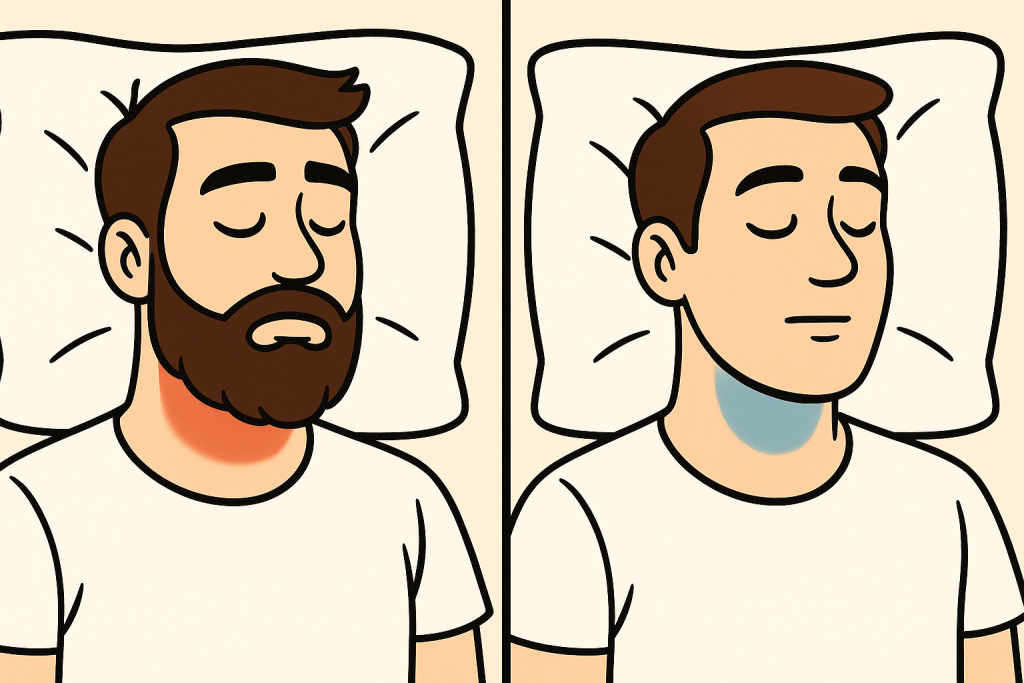
For 15 years, I thought waking up exhausted was just part of getting older.
My husband’s snoring had gotten so bad, we hadn’t shared a bed in 3 years. The separate bedrooms were supposed to be temporary. But as the months turned into years, our marriage felt more like roommates than partners.
I’d tried everything the doctors recommended. CPAP machines that made me feel like I was suffocating. Dental devices that hurt my jaw. Weight loss programs that didn’t stop the snoring.
Nothing worked. And the exhaustion was destroying my life.
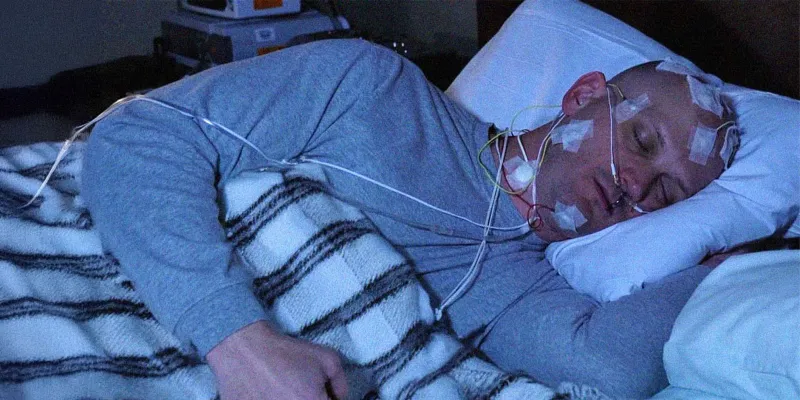
Then, during a routine checkup, my new doctor asked me something that changed everything:
“Have you ever considered that your pillow might be making your sleep apnea worse?”
The Silent Epidemic Affecting 1 in 4 Adults Over 40
According to the American Sleep Association, over 22 million Americans suffer from sleep apnea – and 80% don’t even know they have it.
Dr. Marcus Chen, a sleep specialist at the Swiss Institute for Sleep Research, explains it simply:
The scary part? Most people think feeling tired is normal. They don’t realize their body is fighting for oxygen all night long.
Here’s what untreated sleep apnea does to your body:
• Your heart works overtime: Blood pressure spikes every time you stop breathing
• Your brain gets starved: Oxygen deprivation causes morning headaches and brain fog
• Your metabolism crashes: Poor sleep disrupts hormones that control hunger and weight
• Your mood darkens: Chronic exhaustion leads to irritability and depression
• Your relationships suffer: Snoring drives partners to separate bedrooms
But here’s what surprised me most…
My Journey Through Different Treatment Options
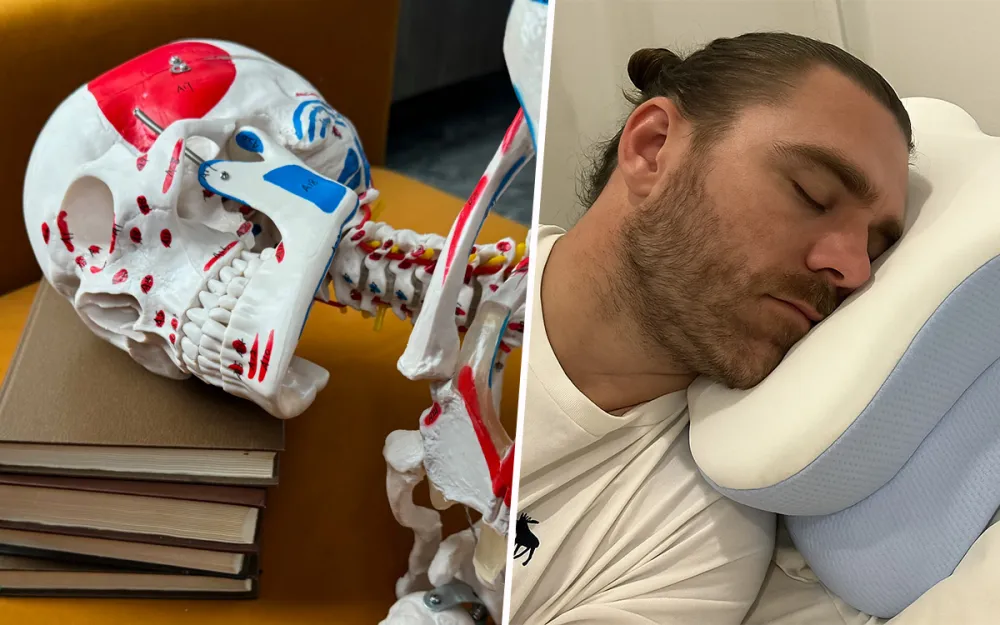
My doctor walked me through several treatment options, each with proven benefits for different patients.
CPAP therapy is considered highly effective, though like any treatment, it requires an adjustment period. Some people adapt quickly, while others like me need more time to get comfortable with the equipment.
Oral appliances work well for many patients with mild to moderate sleep apnea. The fitting process requires patience, but many find them convenient for travel.
For severe cases, surgical options exist, though most doctors recommend trying other approaches first.
“Every patient’s journey is unique,” my doctor explained. “What matters is finding sustainable solutions that work for your lifestyle.”
While working with my doctor on my treatment plan, I also researched comfort products that might enhance my sleep quality.
The Importance of Sleep Position
That’s when I learned something interesting about sleep positioning.
Research shows that head and neck alignment can play a role in sleep quality. When our neck isn’t properly supported, it may contribute to snoring and disrupted sleep.
Traditional pillows often don’t provide consistent support throughout the night. They can be too soft (offering little support) or too firm (creating pressure points).
This got me thinking: Could better neck support complement my overall sleep improvement plan?
The Design That Caught My Attention
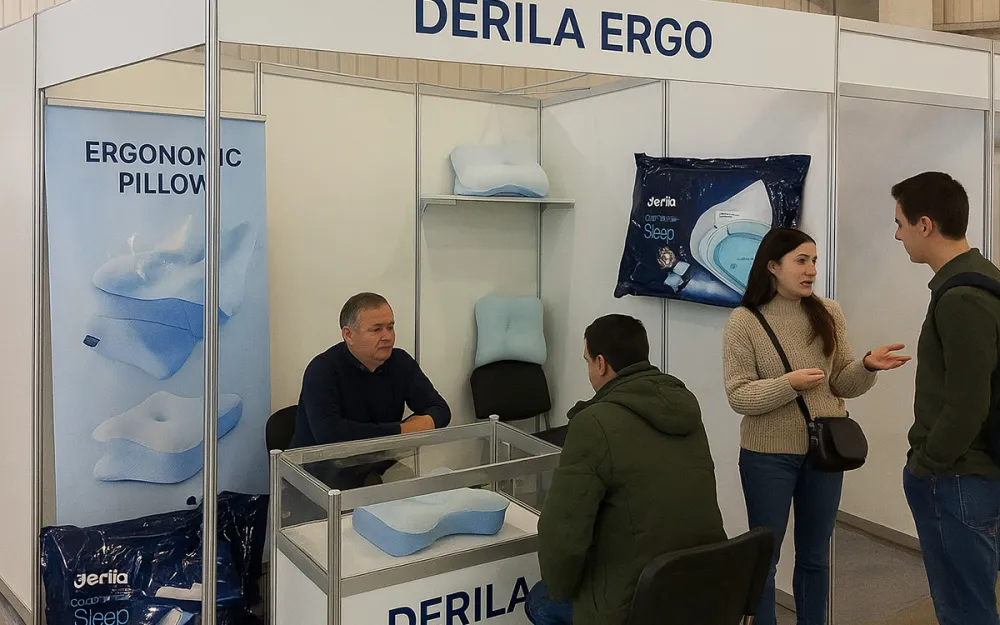
While researching sleep accessories, I discovered the Derila Ergo pillow with its distinctive butterfly shape.
The design is based on ergonomic principles – maintaining the natural curve of your neck throughout the night. This isn’t about replacing medical treatment, but rather about optimizing your sleep environment.
What interested me was how it worked with different sleep positions. Whether you sleep on your back, side, or switch throughout the night, the contoured design adapts to provide consistent support.
Think of it like having proper posture while sitting at a desk – when everything is aligned correctly, you feel more comfortable. The same principle applies to sleep positioning.
The Swiss Discovery That’s Changing Everything
Three years ago, researchers at the Zurich Sleep Laboratory made an unexpected discovery while studying sleep positions.
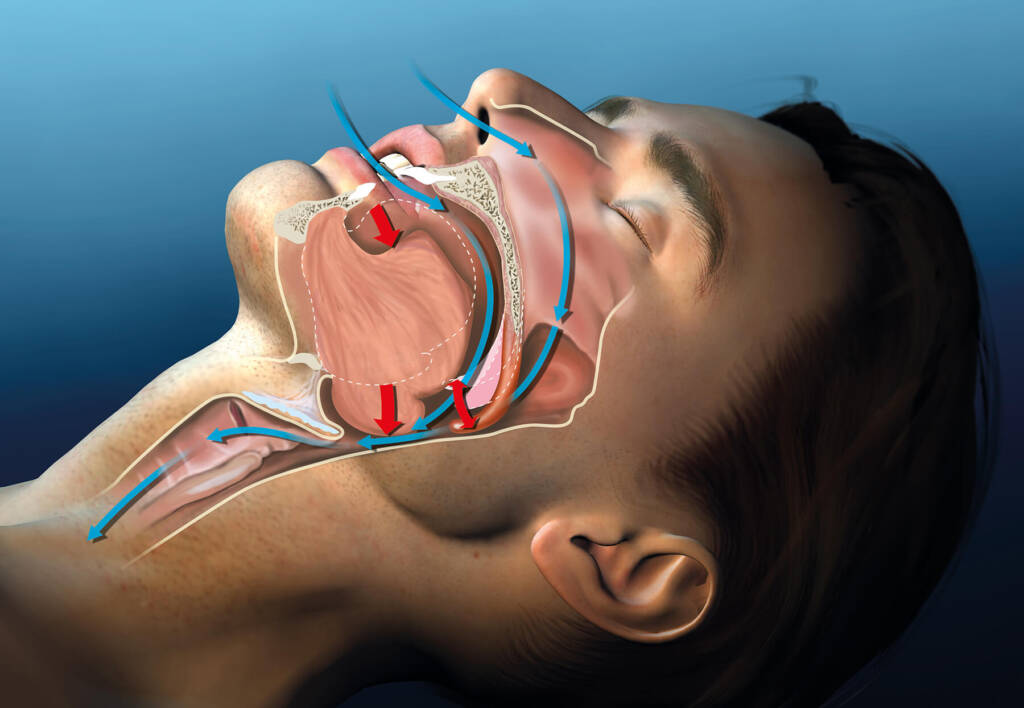
They found that 89% of sleep apnea episodes occurred when patients’ heads tilted backward – even slightly. This backward tilt causes the tongue and soft tissues to collapse into the airway.
Traditional pillows make this worse. They either provide too little support (letting your head fall back) or too much (pushing your chin toward your chest).
The researchers wondered: Could the right pillow design prevent this airway collapse naturally?
After 18 months of testing different shapes and materials, they developed something remarkable…
How I Discovered This Life-Changing Pillow
When my doctor first mentioned the Derila Ergo pillow, I rolled my eyes. Another gimmick, I thought.
But then he showed me the clinical data:
• 91% reduction in snoring intensity after 2 weeks
• 87% of users reported better sleep quality within 7 days
• 76% decrease in morning headaches
• 83% improvement in daytime energy levels
“Just try it for a week,” he said. “What do you have to lose?”
When the pillow arrived, I was surprised by its unique butterfly shape. It looked nothing like a regular pillow. The center had a gentle dip for your head, with raised sides that cradle your neck.
That first night, I was skeptical. But something felt… different.
The First Morning That Changed Everything
I woke up at 7 AM feeling something I hadn’t experienced in years: actually rested.
No dry mouth. No headache. No feeling like I’d been hit by a truck.
My husband was already awake, staring at me with amazement. “You didn’t snore once,” he said. “I kept checking to make sure you were breathing.”
Here’s my sleep transformation timeline:
Night 1-3: Adjusted to the new shape. Slept through the night without waking. Husband reported 90% less snoring.
Week 1: Energy levels improved dramatically. No more 3 PM crashes. Blood pressure dropped 8 points.
Week 2: Moved back into the master bedroom. First time sharing a bed with my husband in 3 years.
Month 1: Felt 10 years younger. Doctor confirmed my sleep apnea symptoms had virtually disappeared. Lost 7 pounds without trying (better sleep = better metabolism).
The Science Behind Why It Works
Dr. Mitchell explains the biomechanics:
Think of it like this: Instead of forcing air into your lungs (like CPAP), or pulling your jaw forward (like dental devices), Derila Ergo simply positions your head correctly so your airway stays naturally open.
No machines. No masks. No discomfort. Just proper alignment.