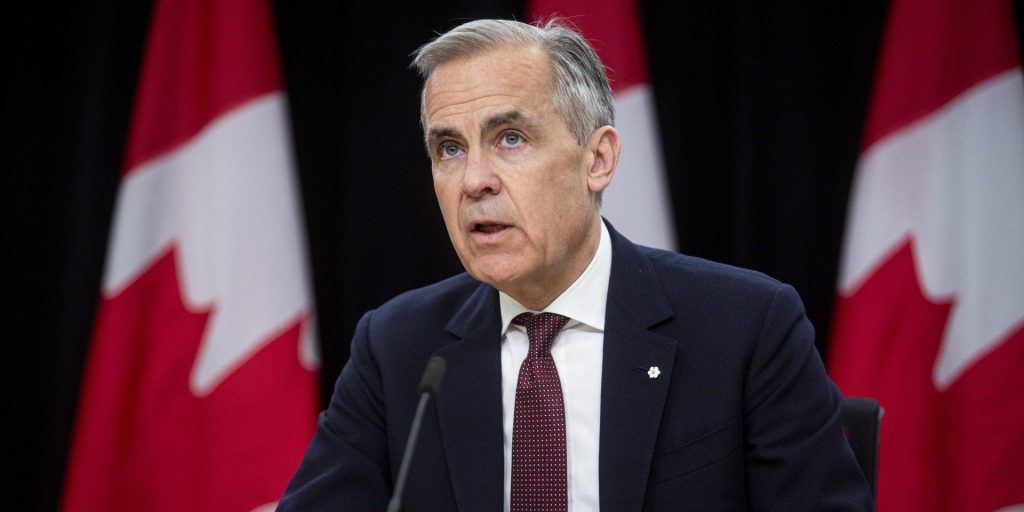
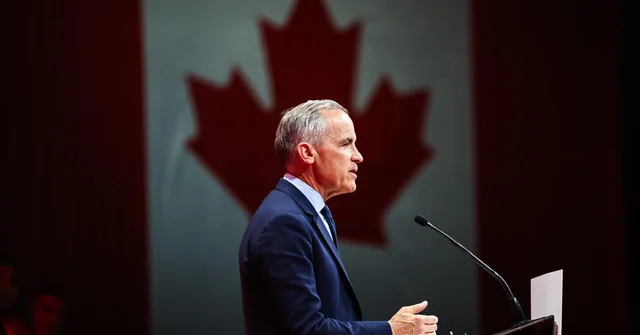
Canada’s Prime Minister Mark Carney is en route to China for a pivotal visit aimed at resetting ties with Beijing and finding new economic opportunities for his country outside the US.
It will not be an easy task, with pressure on Canada to balance its goal of diversifying trade without risking damage to its relationship with Donald Trump or compromising national security and human rights commitments.
But with ongoing uncertainty over Canada’s trade future with the US – its largest customer – the country now finds itself seeking to repair strained relations to protect its economy.
Senior Canadian officials have described the trip, the first to China by a Canadian prime minister since 2017, as “consequential and historic” and part of a “bold” plan to double Canada’s non-US exports over the next decade.
Trade will be on the agenda, along with agriculture and international security, Carney’s office said. Beijing’s foreign ministry said the two countries have “shared interests” and should work to “increase people-to-people ties and cultural exchanges”.
On Thursday, Carney meets the Premier of China, Li Qiang, as well as the Chairman of the Standing Committee of the National People’s Congress of China, Zhao Leji.
On Friday, the prime minister is scheduled to meet Chinese President Xi Jinping one-on-one, after the pair met last year on the sidelines of an Asia-Pacific Economic Cooperation summit in South Korea.
This official visit is a significant step in the rapprochement after Canada-China relations hit a low in 2018, following the arrest of Huawei executive Meng Wanzhou in Vancouver on a US warrant on fraud charges related to Iran sanctions violations.
The detention in Canada of the executive of a Chinese telecom giant angered Beijing, and China subsequently arrested two Canadians on espionage charges.
All three were released in 2021 after Meng cut a deal with US prosecutors.
More recently, China has been accused of meddling in Canada’s politics, though a public inquiry on foreign interference found its impact in recent federal elections to be minimal. China has repeatedly denied allegations of foreign meddling.
Canada and China have struggled to forge meaningful ties in the past.
The Carney government does not see this upcoming visit as a deviation from that view, senior Canadian government officials told reporters this week. But they added that Canada cannot achieve its objective of reducing economic reliance on the US without increasing trade with China.
Carney is said to be approaching talks with an eye on increasing collaboration in areas of mutual interest like energy and climate, and putting guardrails on areas where the two countries clash, like defence and critical minerals.
“I think we are approaching the relationship now with the realism that we haven’t seen for decades,” Colin Robertson, a former Canadian diplomat, told the BBC.
Robertson added that it could result in a “healthier relationship if both sides understand where they’re coming from and what the red lines are”.
It has already proven to be a careful line to walk. Ahead of Carney’s visit, two Liberal MPs cut a sponsored trip to Taiwan short, telling the Globe and Mail newspaper that while Canada’s position on Taiwan “has not changed”, the trip ended early to “avoid confusion with its foreign policy, given the overlap with the Prime Minister’s engagement in Beijing”.
One of Canada’s main objectives during this trip is to ease Chinese tariffs on Canadian canola that have hurt farmers in the country’s prairie provinces.
China last year imposed the agriculture tariffs in a move widely seen as retaliation for Canadian levies on Chinese electric vehicles announced in 2024, mirroring similar levies by the US.
In an editorial this week, state-run newspaper Global Times pointed to frustration expressed by Canadian farmers, suggesting “perhaps this was the heavy price (Canada) paid for blindly following the US”. China has made it clear it wants the tariffs on EVs lifted.
For China, Canada is seen as an important trading partner, with trade between the two countries valued at around $118bn in 2024. But crucially for Beijing, if President Xi manages to make a deal with Carney, it would give China more influence in a country that is on America’s doorstep.
The Global Times op-ed called on Ottawa to set a foreign policy path separate from that of the US and to exercise “strategic autonomy”.
One big unknown about this visit is how the US would react to any deals struck between Canada and China. Canada’s economy has been hit by US tariffs, especially those on its steel, aluminium and automotive sectors. Talks to ease those levies remain on pause.
Canada will soon, however, be engaged in consequential talks on renewing a long-standing North American free trade agreement with the US and Mexico that has shielded it from the bulk of Trump’s sweeping tariffs. That review is set to be completed later this year.
Robertson, the former diplomat, said it is likely that the Americans are watching the Canada-China relationship “very closely”, and that Canada is keeping the US “well informed” of its intentions.
But he added: “At the end of the day, there’s Canadian interests that we’re pursuing.”
With additional reporting from Jessica Murphy in Toronto.
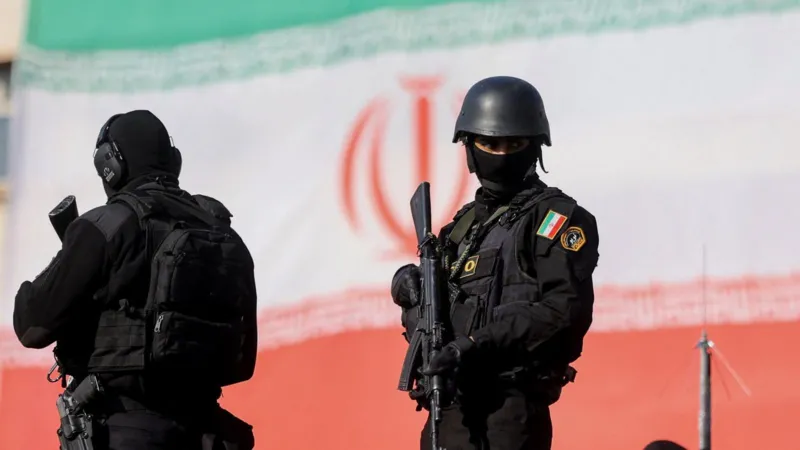
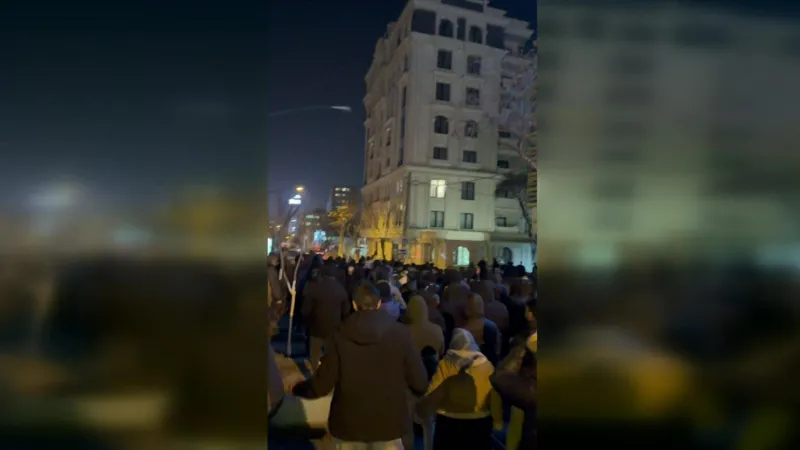
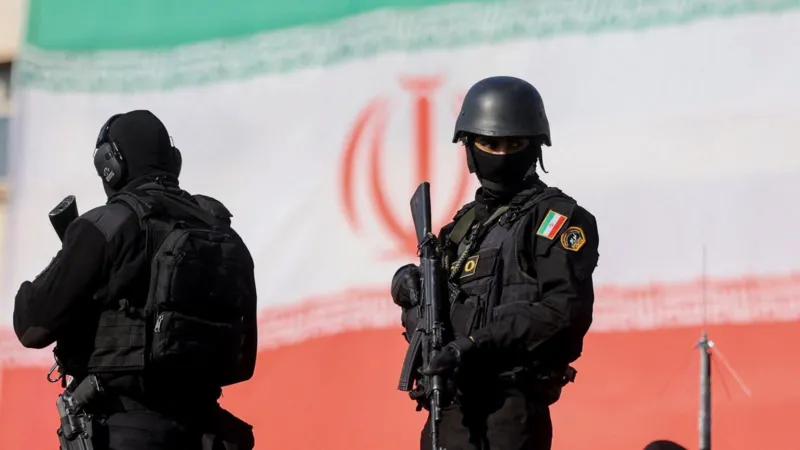
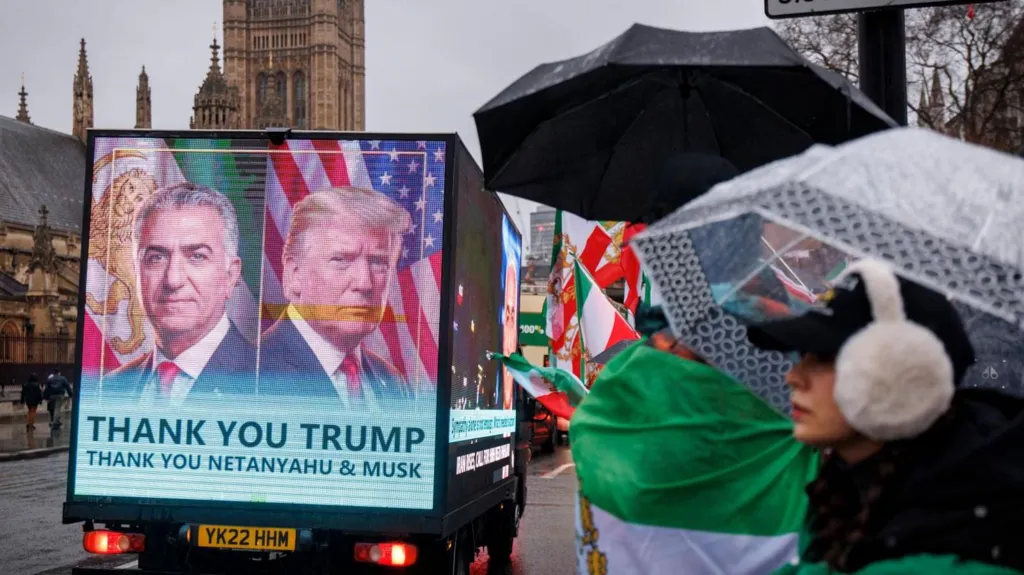
More than 2,000 people have been killed during the violent crackdown by security forces on protests in Iran, a human rights group has said, as President Trump promised Iranians that help was “on its way”.
The US-based Human Rights Activists News Agency (HRANA) reported that it had so far confirmed the killing of 1,850 protesters, 135 people affiliated with the government and nine uninvolved civilians as well as nine children over the last 17 days despite an internet blackout.
An Iranian official also told Reuters that 2,000 people had been killed but that “terrorists” were to blame.
Trump will attend a meeting about Iran on Tuesday evening, and has pledged to get “accurate ” death toll figures.
“The killing looks like it’s significant, but we don’t know yet for certain,” Trump told reporters while returning to the White House.
Once he has the numbers, he said, “we’ll act accordingly.”
Earlier on Tuesday, Trump wrote on his Truth Social platform that Iranian authorities would “pay a big price” for the killings, and urged people to “keep protesting”.
“I have cancelled all meetings with Iranian Officials until the senseless killing of protesters STOPS. HELP IS ON ITS WAY. MIGA!!!,” he added, using the acronym for a US-based Iranian opposition slogan, “Make Iran Great Again”.
Trump has been weighing military and other options in response to the crackdown, having already announced 25% tariffs on any country trading with Iran.
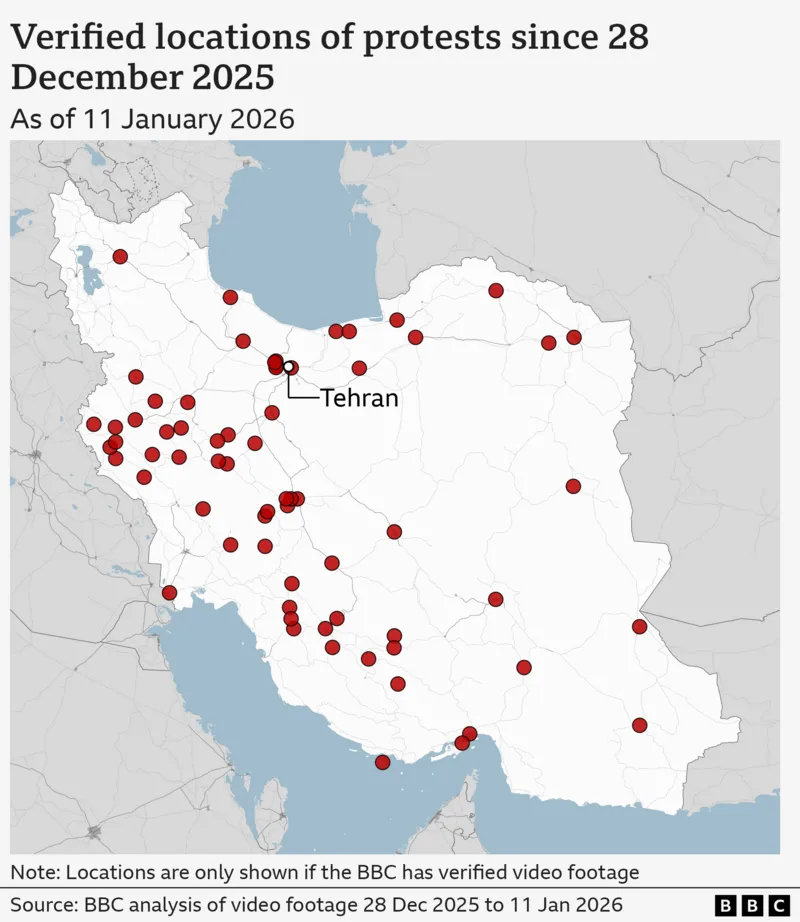
The protests, which have reportedly spread to 180 cities and towns in all 31 provinces, were sparked by anger over the collapse of the Iranian currency and soaring cost of living.
They quickly widened into demands for political change and became one of the most serious challenges to the clerical establishment since the 1979 Islamic revolution.
The protests escalated significantly last Thursday and were met with deadly force by authorities, masked by a near total shutdown of the internet and communication services.
HRANA said on Tuesday afternoon that, as well as confirming the killing of at least 2,003 people during the unrest, it was also reviewing reports of another 779 deaths.
“We’re horrified, but we still think the number is conservative,” Deputy Director Skylar Thompson told the Associated Press.
Another group, Norway-based Iran Human Rights (IHR), meanwhile said it had confirmed the killing of at least 734 protesters.
Its director, Mahmood Amiry-Moghaddam, told AFP news agency that the figures were “based on information received from fewer than half of the country’s provinces and fewer than 10% of Iran’s hospitals”, adding: “The real number of those killed is likely in the thousands.”
Reuters said the unnamed Iranian official who put the death toll at about 2,000 had not given a breakdown of the figure. However, it added, he said “terrorists” were behind the deaths of both protesters and security personnel.
It is difficult to gauge the true scale of bloodshed because, like other international news organisations, the BBC is not able to report from inside the country.
However, videos posted online on Sunday showed people searching for the bodies of their loved ones at the Kahrizak Forensic Centre in Tehran. The BBC counted at least 180 shrouded bodies and body bags in the footage.
Around 50 bodies were visible in another video from the facility shared on Monday.
“My friend went there [Kahrizak] to look for his brother, and he forgot his own sorrow,” an activist told BBC Persian on Monday.
“They piled up bodies from every neighbourhood, like Saadatabad, Naziabad, Sattarkhan. So you go to your address pile and search there. You don’t know a fraction of the level of violence that’s been used.”
Hospitals in the capital have also reportedly been overwhelmed by the number of casualties.
Prof Shahram Kordasti, an Iranian oncologist based in London, told the BBC’s Newsday programme on Tuesday that the last message he had received from a colleague in Tehran said: “In most hospitals, it’s like a warzone. We are short of supplies, short of blood.”
Other doctors at “two to three hospitals” had also said they had treated hundreds of injured or dead people, he added.
An Iranian living in Rasht, near the Caspian Sea coast, described the city as unrecognisable. “Everywhere is burnt with fire,” they said.
On Monday night, US defence officials told the BBC’s US partner, CBS news, that Trump had been briefed on a wide range of covert and military tools, including long-range missile strikes, cyber operations and psychological campaign responses.
At the same time, Iranian Foreign Minister Abbas Araghchi told Al Jazeera that Iran was ready for diplomacy but also for other options, including “if the US wanted to test the military option which it had tested in the past”. In June, the US carried out air strikes on key Iranian nuclear facilities during a 12-day war between Iran and Israel.
Araghchi also said that Iranian government had been in dialogue with protesters, but that it had been forced to take action after “trained terrorist groups” run from abroad infiltrated the demonstrations and targeted security forces.
His comments echoed those of the Supreme Leader, Ayatollah Ali Khamenei, who told supporters at state-organised rallies across the country on Monday that they had “neutralised the plans by foreign enemies that were meant to be performed by domestic mercenaries”.
Also on Tuesday, UK Foreign Secretary Yvette Cooper summoned the Iranian ambassador to protest in response at what she called “the horrendous and brutal killing of Iranian protesters”.
The UN human rights chief Volker Türk urged Iranian authorities to halt all forms of violence and repression against peaceful protesters immediately, his office said.
He added that the labelling of protesters as “terrorists” to justify violence was unacceptable and that it was “extremely worrying” to see statements from Iranian officials indicating the possibility of the death penalty being used against protesters through expedited trials.
Judiciary chief Gholamhossein Mohseni Ejei said on Monday that those involved in the unrest would be “dealt with seriously and severely”. And prosecutors have said some will be charged with “enmity against God”, a national security offence that carries the death penalty.
More than 16,780 protesters have been arrested during the unrest, according to HRANA.
A 26-year-old man detained last Thursday has already been sentenced to death, according to his family and Norway-based Kurdish human rights group Hengaw.
A relative of Erfan Soltani’s family told BBC Persian that “in an extremely rapid process, within just two days, the court issued a death sentence, and the family was told that he is due to be executed [this] Wednesday”.
“We have never witnessed a case move so quickly,” Awyar Shekhi of Hengaw told the BBC. “The government is using every tactic they know to suppress people and spread fear.”
Speaking to the BBC’s US news partner CBS later on Tuesday, Trump said the US would take “very strong action” if Iran’s authorities started hanging protesters.
“If they hang them, you’re going to see some things… We will take very strong action if they do such a thing,” he said.
Türk also demanded that Iranian authorities restore full access to the internet and other communication services.
Some international calls from Iran went through on Tuesday, but the internet shutdown has now passed 120 hours, according to monitor NetBlocks.
One person living near Tehran with access via the Starlink satellite service told BBC Persian that there were “checkpoints in every block”, where cars and the phones of their occupants were being inspected by security forces.
New videos of protests in recent days have also emerged, with BBC Persian verifying those filmed in the central city of Arak and the western cities of Tabriz, Urmia and Khorramabad.
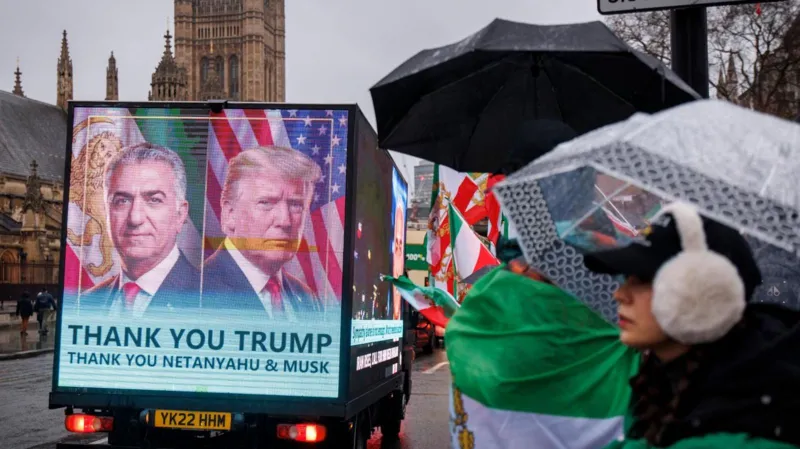
The protesters chant slogans “Death to the dictator” – a reference to Ayatollah Khamenei – and “Reza Shah, may your soul rest in peace” – referring to the late monarch Mohammad Reza Pahlavi, who was overthrown in the 1979 revolution and whose son Reza lives in exile.
The US government has given chip giant Nvidia the green light to sell its advanced artificial intelligence (AI) processors in China, the Department of Commerce said on Tuesday.
The H200, Nvidia’s second-most-advanced semiconductor, had been restricted by Washington over concerns that it would give China’s technology industry and military an edge over the US.
The Commerce Department said the chips can be shipped to China granted that there is sufficient supply of the processors in the US.
President Donald Trump said last month that he would allow the chip sales to “approved customers” in China and collect a 25% fee.
Nvidia’s spokesperson told the BBC that the company welcomed the move, saying it will benefit manufacturing and jobs in the US.
The Commerce Department’s Bureau of Industry and Security said its revised export policy applies to Nvidia’s H200 chips, as well as less advanced processors. Chinese customers must also show “sufficient security procedures” and cannot use the chips for military uses.
The H200 chip is a generation behind Nvidia’s Blackwell processor, which is considered to be the world’s most advanced AI semiconductor and remains blocked from sale in China.
Chinese embassy spokesman Liu Pengyu told the BBC on Wednesday that Beijing has consistently opposed the “politicisation and weaponisation of tech and trade issues”.
“We oppose blocking and restricting China, which disrupts the stability of industrial and supply chains,” he said. “This approach does not serve the common interests of both sides.”
Nvidia has been caught in a geopolitical tug-of-war between the US and China – two sides of a global AI race.
Trump reversed the chip-selling restriction last July, but demanded that Nvidia pay a cut of its earnings from China to the US government.
Beijing then reportedly ordered its tech companies to boycott Nvidia’s China-bound chips and prioritise semiconductors made domestically. That move was designed to bolster China’s tech industry, though experts have consistently said that the country’s chips still lag behind the US.
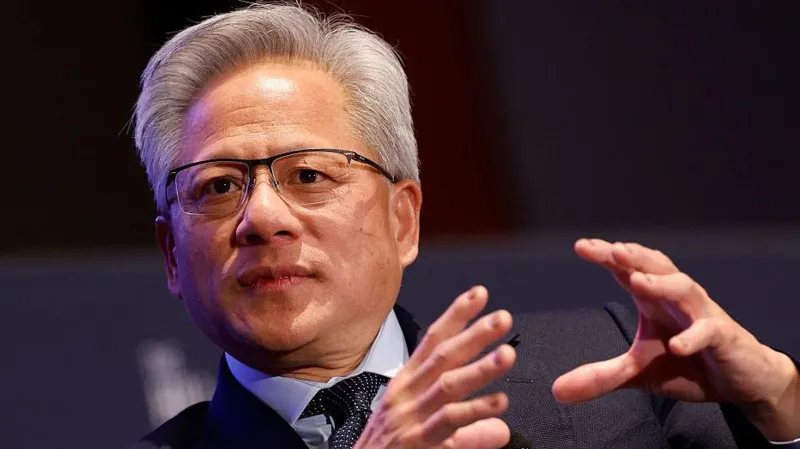
Throughout 2025, Nvidia CEO Jensen Huang continually lobbied Washington to allow the sale of the firm’s high-powered chips to China, arguing that global market excess is essential for America’s competitiveness.
Some officials in the US, however, have expressed concerns that the chips would benefit Beijing’s military and hurt America’s progress in AI development.
While Beijing is likely concerned about domestic firms becoming over-reliant on Nvidia, local firms will be eager to secure H200 chips – at least until homegrown alternatives get better, said semiconductor analyst Austin Lyons.
Nvidia will also be happy to get any revenue from China, even if it comes at a lower margin due to the US government taking a cut of the sales, Lyons added.
Trump’s “unique” proposal to collect a cut of Nvidia’s sales could also set a precedent for his negotiations in other trade tariffs, said Marc Einstein from Counterpoint Research.
“It will be interesting to see if this tariff model expands to other sectors.”
কিন্তু দরিয়ার ওপারে যখন আমরা ছিলাম, পেছন থেকে ফেরাউন ও তার লোক লস্কররা যখন আমাদের তাড়া করে ফিরছিল তখন তো আপনাকে পথের জন্যে পেরেশান হতে দেখিনি। বলল একজন ইসরাঈলী জোয়ান।
কথাটা ঠিকই বলেছো। এটাতো পেরেশানীর কথা, চিন্তার কথা। একজন বয়োবৃদ্ধ ইসরাঈলী বললো। তবে আমাদের আলেম ও লেখাপড়া জানা লোকেরা অনেক কথাই জানে, তারা এ ব্যাপারে কি বলে?একজন ইসরাঈলী আলেম বললো, হ্যা, একটা কথা আমাদের বাপ-দাদাদের মুখ থেকে শুনেছিলাম। সেটাই হয়তো আমাদের এই পথ ভুলের কারণ হতে পারে।
-কি সে কথা? -কেন? তোমাদের অনেকেই তা শুনেছে। তবে সেটাকে হয়তো এর সাথে মেলাতে পারছে না। -বলুন তো ব্যাপারটা কি? আমরা তো কিছুই ভাবতে পারছি না।
-কেন তোমরা শোনোনি? মিসরে বনি ইসরাঈলী মিল্লাতের প্রতিষ্ঠাতা আল্লাহর নবী হযরত ইউসুফ আলাইহিস সালাম তাঁর ইন্তিকালের সময় আমাদের পরদাদাদের থেকে এই মর্মে ওয়াদা নিয়েছিলেন যে, তাঁর কবর থেকে তাঁর হাড্ডিগুলো উঠিয়ে সাথে না নিয়ে তারা এদেশ ত্যাগ করবে না।
-হ্যাঁ, হ্যাঁ, আমরা শুনেছি। অনেক আলেম একসাথে বলে উঠলো। আমাদের পথ ভুল হওয়ার এটা একটা কারণ হতে পারে।
কিন্তু দরিয়ার ওপারে যখন আমরা ছিলাম, পেছন থেকে ফেরাউন ও তার লোক লস্কররা যখন আমাদের তাড়া করে ফিরছিল তখন তো আপনাকে পথের জন্যে পেরেশান হতে দেখিনি। বলল একজন ইসরাঈলী জোয়ান।
কথাটা ঠিকই বলেছো। এটাতো পেরেশানীর কথা, চিন্তার কথা। একজন বয়োবৃদ্ধ ইসরাঈলী বললো। তবে আমাদের আলেম ও লেখাপড়া জানা লোকেরা অনেক কথাই জানে, তারা এ ব্যাপারে কি বলে?
একজন ইসরাঈলী আলেম বললো, হ্যা, একটা কথা আমাদের বাপ-দাদাদের মুখ থেকে শুনেছিলাম। সেটাই হয়তো আমাদের এই পথ ভুলের কারণ হতে পারে
-কি সে কথা? -কেন? তোমাদের অনেকেই তা শুনেছে। তবে সেটাকে হয়তো এর সাথে মেলাতে পারছে না। -বলুন তো ব্যাপারটা কি? আমরা তো কিছুই ভাবতে পারছি না।
-কেন তোমরা শোনোনি? মিসরে বনি ইসরাঈলী মিল্লাতের প্রতিষ্ঠাতা আল্লাহর নবী হযরত ইউসুফ আলাইহিস সালাম তাঁর ইন্তিকালের সময় আমাদের পরদাদাদের থেকে এই মর্মে ওয়াদা নিয়েছিলেন যে, তাঁর কবর থেকে তাঁর হাড্ডিগুলো উঠিয়ে সাথে না নিয়ে তারা এদেশ ত্যাগ করবে না।
-হ্যাঁ, হ্যাঁ, আমরা শুনেছি। অনেক আলেম একসাথে বলে উঠলো। আমাদের পথ ভুল হওয়ার এটা একটা কারণ হতে পারে।
হযরত মূসা বললেন, আমাদের পূর্ব পুরুষদের ওয়াদা অবশ্যই আমাদের পালন করতে হবে। তার ওপর আমাদের মহান নবী হযরত ইউসুফ আলাইহিস সালামের দিলের খাহেশ পূরণ করা আমাদের জন্যে একটি অবশ্য করণীয় কাজ। আল্লাহ তাঁকে এদেশে এনেছিলেন। তিনি ছিলেন এদেশে আমাদের প্রথম পুরুষ। তাঁর দিনগুলো ছিল অত্যন্ত মর্যাদা ও গৌরবের। আমাদের পূর্ব পুরুষরা ছিল কৃষি ও পশু পালনে অভ্যস্ত। তিনি তাদেরকে মিসরের নগর জীবনের সাথে জড়িত না করে গ্রামে ও পাহাড়ে জঙ্গলে দাওয়াত পৌছান। তাই শত শত বছর পরে আজো আমরা নগরবাসীদের শিরকী জীবনে অভ্যস্ত হইনি। আমরা আজো আল্লাহ ও তাঁর নবীর দীন ও শরীয়ত মেনে চলছি।
একজন বনি ইসরাঈলী আলেম বললেন, হে আল্লাহর নবী, আপনি ঠিকই বলেছেন। আমাদের আজকের তওহিদী জীবন, আমাদের ইবাদত-বন্দেগী এবং আল্লাহর শরীয়ত মেনে চলার জন্যে আমাদের স্বাভাবিক আকাঙ্ক্ষা এ সব কিছুর পেছনে আমাদের মহান পূর্ব পুরুষ এবং আল্লাহর প্রিয় নবী হযরত ইউসুফ আলাইহিস সালামের সেদিনের সিদ্ধান্ত অনেক বড় ভূমিকা পালন করেছে।
আর একজন আলেম বললেন, হ্যাঁ, ঠিকই। যদি আমরা নগরবাসী হতাম। নাগরিক জীবনের আরাম আয়েশে অভ্যস্ত হয়ে পড়তাম। মিসরীয়দের মতো আল্লাহর ইবাদত না করে হয়তো পুতুল পূজাই করতাম।
হযরত মূসা (আঃ) আবার বললেন, আল্লাহর বড় মেহেরবাণী। তিনি আমাদের তার সঠিক দীনের অনুসারী রেখেছেন। বললেন হযরত মূসা আলাইহিস সালাম। আর এটি সম্ভব হয়েছে হযরত ইউসুফ আলাইহিস সালামের সঠিক সিদ্ধান্তের ফলে। কাজেই আমাদের এদেশ ছেড়ে চলে যাবার সময় তাঁর হাড়-গোড়গুলো আমাদের সাথে নিয়ে গিয়ে আমাদের পিতৃভূমিতে কবরস্থ করার যে দাবী তিনি করেন তা আমার কাছে ন্যায়সঙ্গত বলে মনে হয়। কিন্তু তাঁর কবর কোথায়? কে বলতে পারে একথা? সবাই মুখ চাওয়া চাওয়ি করতে লাগলো।
তারপর কিছু লোক বলে উঠলো, হ্যাঁ, একথা বলতে পারে মাত্র একজনই। -কে সে? তার নাম বলো। -কোথায় থাকে?
সে এক বৃদ্ধা। অতিরিক্ত বয়সের ভারে ন্যুজ পৃষ্ঠ এক বনি ইসরাঈলী বৃদ্ধা। তার কাছে একজনকে পাঠালেন হযরত মূসা আলাইহিস সালাম। তাকে ডেকে আনলেন। তাকে নিজের কাছে বসালেন। বললেন, ‘বুড়িমা, আপনি কি আল্লাহর প্রিয় নবী এবং আমাদের মহান পূর্ব পুরুষ হযরত ইউসুফ আলাইহিস সালামের কবরটি কোথায় তা আমাদের দেখিয়ে দেবেন?
-আল্লাহর কসম আমি দেখাবো না। তবে একটি শর্ত আছে যদি শর্তটি পূরণ করো তাহলে অবশ্যই দেখিয়ে দেবো। -শর্তটি কি বলুন। -শর্তটি হচ্ছে আপনাকে ওয়াদা করতে হবে জান্নাতে আমি আপনার সাথে থাকবো।
আল্লাহর নবী মূসা (আঃ) বনি ইসরাঈলের এই বৃদ্ধার শর্তটি পছন্দ করতে পারলেন না। কারণ এটা সম্পূর্ণ আল্লাহর ব্যাপার। কেবলমাত্র ভালো কাজের জোরে বা কারোর সুপারিশে কেউ জান্নাতে যাবেনা। আল্লাহ কাকে জান্নাতে নেবেন আর কাকে নেবেন না এটা তাঁর এখতিয়ার। মূসা আলাইহিস সালামকে আল্লাহ জানিয়ে দিলেন বৃদ্ধার শর্ত মেনে নাও।
কাজেই হযরত মূসা বললেন, বুড়িমা আমি আপনার শর্ত মেনে নিলাম। আনন্দে বনি ইসরাঈলের বৃদ্ধার দুটি চোখ চকচক করে উঠলো। যেন সেখানে ঝাড় লণ্ঠন জ্বালিয়ে দেয়া হয়েছে। যেন সাত রাজার ধনের চেয়ে অনেক বেশি কিছু তার হাতে এসে গেছে। -আমার সাথে এসো।
বলে বৃদ্ধা হাঁটা দিল একদিকে। বৃদ্ধার পেছনে পেছনে চললো সবাই। একসময় সবাই এসে পৌছুলো একটি পানি ভরা ডোবার কাছে। -পানি সেচে ডোবাটা খালি করো।
সবাই পানি সেচার কাজে লেগে পড়লো। এক সময় ডোবাটি পানি শূন্য হলো। -এবার কোদাল আনো। ডোবার মাঝখানের মাটি কেটে উপরে ওঠাও।
ঠকঠক আওয়াজ শুরু হলো। মাটির নিচ থেকে বের হয়ে এলো একটি শরীরের হাড়গোড়।
হাড়গুলো জমা করলেন। সেগুলো নিয়ে আবার রওয়ানা হলেন। এবার পথ তাঁর কাছে উজ্জ্বল হয়ে উঠলো দিনের আলোর মতো।
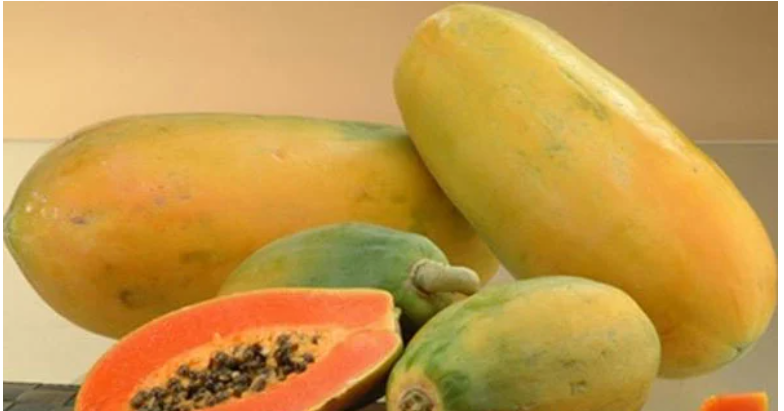
১। হৃদরোগ থেকে রক্ষা করে: নিয়োমিত পেপে খেলে অথেরোস্ক্লেরোসিস এবং ডায়াবেটিক হৃদরোগ প্রতিরোধ করে। পেঁপের ভিটামিন এ, সি এবং ই, সমূহের এবং শক্তিশালী অ্যান্টিঅক্সিডেন্টস এর চমৎকার উৎস। এই তিনটি পুষ্টি কলেস্টেরল প্রতিরোধে সাহায্য করে, যা হার্ট এটাক ও স্ট্রোক এর প্রধান কারণ এক। পেঁপের এছাড়াও ফাইবার এর একটি ভাল উৎস, যা উচ্চ কলেস্টেরলের মাত্রা কমাতে সহায়তা করে।
২। দৃষ্টিশক্তি রক্ষা করে: অপথ্যালমোলজি আর্কাইভস প্রকাশিত একটি সমীক্ষা অনুযায়ী, প্রতিদিন তিনবার পেপে খেলে চোখের বয়সজনিত ঝুঁকি অনেকটাই কমে যায়। বয়স্কদের মধ্যে দৃষ্টি ক্ষতি প্রাথমিক কারণ, প্রতিদিনের খাবারে তলনামূলক ভাবে কম পুস্টি গ্রহণ করা। পেঁপে আপনার চোখের জন্য ভাল এর অ্যান্টিঅক্সিডেন্ট ও ভিটামিন এ, সি, ও ই এর উপস্থিতির কারণে।
৩। হজমে সহায়তা করে: বদ হজমের রোগিদের পাকা পেঁপে খেলে খুব উপকার মিলবে। পাঁকা পেপে খেলে মুখে রুচি বাড়ে, সাথে সাথে খিদে বাড়ে তাছাড়া পাঁকা পেপে কোষ্ট পরিস্কার করে এবং বায়ু নাস করে। এ ছাড়াও পেপে অর্শ রোগের ক্ষেত্রেও বেশউপকারি।
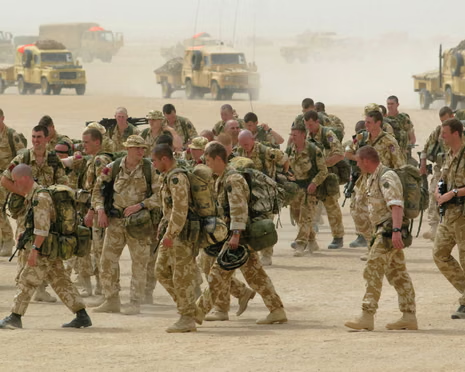
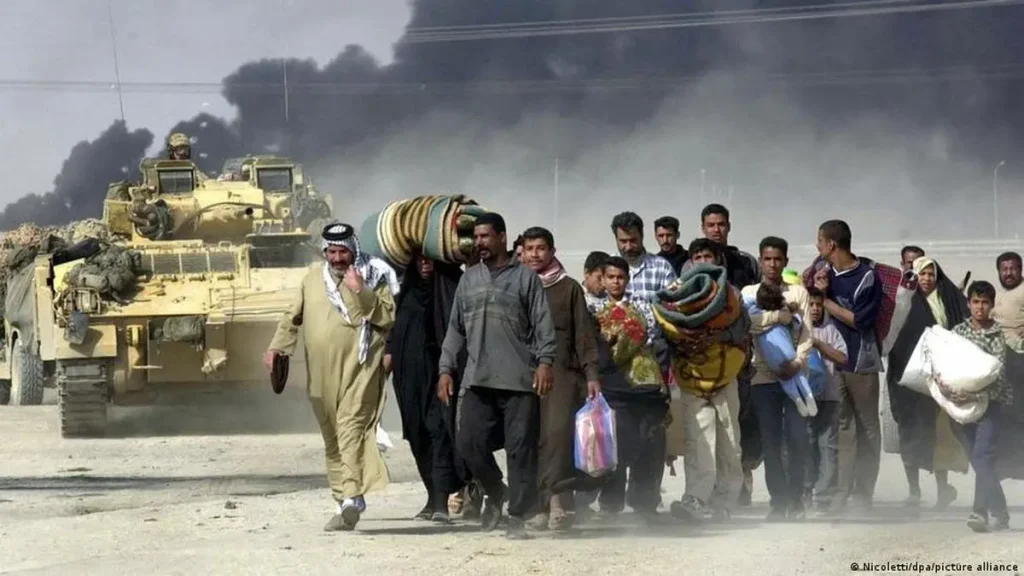
The invasion of March 2003 was a catastrophe for Iraq and its people.
More proof of that, measured in broken lives, was at a suspected site of a mass grave in the desert outside Sinjar, not far from the border with Syria.
Survivors of one of Iraq’s damaged communities, the Yazidis, looked on as the earth in a marble quarry was excavated. On a wire fence around the site were photos of dozens of people, mostly men, who had been killed by jihadists from the Islamic State group. They were from Zile-li, a village near the quarry, where 1,800 men were taken and killed on 3 August 2014.
The Yazidis revere both the Quran and the Bible; their religion is influenced by both Christianity and Islam. Islamic State considered them to be infidels and carried out a genocidal assault. It happened after the Americans and British had ended their occupation, but a direct line links the massacre to the invasion, and the disastrous years that followed.
Among those watching the excavation was Naif Jasso, the Sheikh of Kocho, a Yazidi community that suffered an even worse attack than Zile-li. He said that in Kocho, 517 people out of a population of 1,250 were killed by jihadists from IS, also known as ISIS or Daesh.
In Zile-li, men were separated from their families at gunpoint and shot dead at the quarry. Sofian Saleh, who was 16 at the time, was among the crowd at the excavation. He is one of only two men from Zile-li who survived. As he waited for death with his father, brother and 20 to 30 other men, he saw another group shot dead. Their bodies tumbled down a cliff into the quarry. Then it was their turn.
“They tied our hands from behind before the shooting. They took us and threw us on the ground,” he said.
Sofian’s father and brother were killed, but he survived because bodies fell on him, covering him up.
Islamic State was using its favourite tactic. First, they killed the men, then took the women as slaves. Children were removed from their mothers to be indoctrinated as IS recruits. A mother sitting near the suspected grave wept as she remembered the baby ripped from her and given to a jihadist family.
Next to the wire fence around the site, Suad Daoud Chatto, a woman in her 20s, stood with a poster. On it were the faces of nine men from her extended family who were killed, and two missing female relatives. She said jihadists captured her in 2014 when she was 16, along with many other women and girls, and held her in Syria. She remained until 2019, when she was rescued as the Caliphate collapsed.
“They were like barbarians, they kept us in handcuffs for a long time. Our hands were still tied even during the meals,” she said.
“They married me off many times… they were marrying the slaves. They did not spare anyone. We were all raped. They were killing people before our eyes. They killed all the Yazidi men – they killed eight of my uncles. They destroyed many families.”
In the end, only a few bags of human bones were found at the site. Dozens of others are still to excavated.
By the time IS rampaged through Iraq in the summer of 2014, the US and the UK had ended their occupation. Jihadist ideology existed long before the invasion, and had inspired the 9/11 attacks.
But far from destroying the ideology of Osama Bin Laden and the jihadist extremists, the years of chaos and brutality set off in 2003 turbo-charged murderous jihadist violence. Al-Qaeda, broken for a while by an alliance between the Americans and Sunni tribes, regenerated into the even more barbarous IS.
Iraq is more stable so far this year than it has been for a long while. Baghdad, Mosul and other cities are much safer. But Iraqis feel the results of the invasion every day. Its consequences have shaped and blighted millions of lives and changed their country profoundly.
It is a grim irony that the invasion has dropped out of political and public debate in the US, which conceived and led it, and in the UK, its closest ally in the coalition. The Americans and British bear a heavy responsibility for what happened after the invasion, and its consequences also affect them.
Iraq’s tyrant, Saddam Hussein, was well worth overthrowing – he had imprisoned and killed thousands of Iraqis, even using chemical weapons against rebellious Kurds. The problem was how it was done, the way the US and UK ignored international law, and the violence that gripped Iraq after the Bush administration failed to make a plan to fill the power vacuum created by regime change.
The past 20 years since the invasion, coming on top of Saddam’s dictatorship, add up to almost half a century of torture for the Iraqi people.
Even for those who were there, it is hard to recreate the febrile atmosphere of “fear, power and hubris”, as one historian put it recently, that gripped the US in the 18 months between al-Qaeda’s 9/11 attacks in 2001 and the invasion of Iraq.
I was in New York a few days after the Twin Towers of the World Trade Center were destroyed, as F-15 jets patrolled above Manhattan. It was a visible demonstration of American force, as the biggest military power on the planet worked out how to respond.
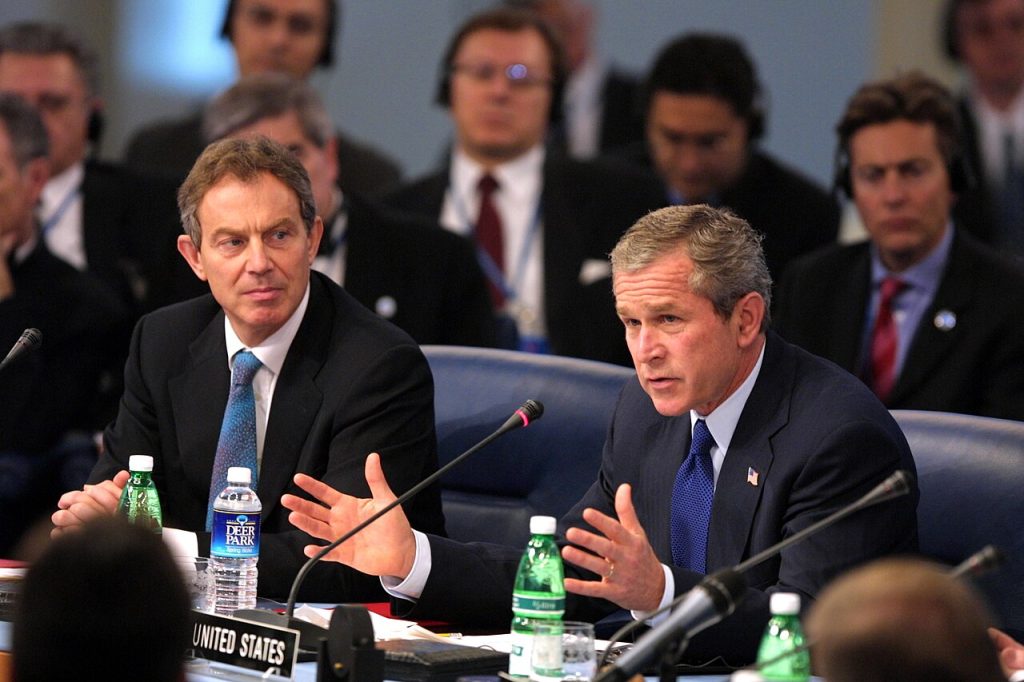
The shock of the attacks swiftly produced George W Bush’s declaration of “war on terror” against al-Qaeda and its jihadist fellow travellers. UK Prime Minister Tony Blair chartered Concorde to cross the Atlantic to offer support. He believed Britain’s best guarantee of influence in the world was to stay close to the White House.
They moved fast against al-Qaeda’s network in Afghanistan. Before the end of the year, a US-led coalition removed the Taliban regime from power when it refused to give up al-Qaeda’s leader, Osama Bin Laden. Kabul was not enough for America.
President Bush and his advisors saw a global threat to the US. They thought states that opposed them could make deadly alliances with al-Qaeda and its imitators. The biggest target in their sights was Iraq. Saddam Hussein had been a thorn in America’s side ever since he sent his army into Kuwait in 1990. Without any evidence, the Americans tried to manufacture a link between Saddam and al-Qaeda when none existed. In reality the Iraqi leader, a secular dictator, saw religious extremists as a threat.
The president’s father, George HW Bush, decided not to remove Saddam from power in Baghdad after the Iraqi occupiers were driven out of Kuwait by an international coalition assembled by the US in 1991. The first President Bush and his advisors saw trouble ahead if they continued to Baghdad. A long, belligerent occupation of Iraq looked like a morass and they had no UN authorisation to topple the regime.
I was in Baghdad when the ceasefire was declared. Regime officials I knew could not believe that Saddam’s dictatorship had survived.
Twelve years later, by 2003, America’s rage and arrogance of power blinded the second President Bush to the realities that had constrained his father. When the US and UK could not persuade the UN Security Council to pass a resolution explicitly authorising invasion and regime change, Messrs Bush and Blair claimed earlier resolutions gave them the authority they needed.
Among many who did not buy their argument was the UN Secretary-General Kofi Annan. In a BBC interview 18 months after the invasion, he said it was “not in conformity” with the UN Charter – in other words, illegal. France and other Nato allies refused to join the invasion. Tony Blair ignored huge protests in the UK. His decision to go to war dogged the rest of his political career.
No president or prime minister faces a bigger decision than going to war. George Bush and Tony Blair embarked on a war of choice that killed hundreds of thousands of people. The justifications for the invasion were soon shown to be untrue. The weapons of mass destruction that Tony Blair insisted, eloquently, made Saddam a clear and present danger, turned out not to exist. It was a failure not just of intelligence but of leadership.
The Americans called the huge air raids that started their offensive “shock and awe”. Neo-conservatives around George W Bush deluded themselves that democracy, and regional stability, could be imposed through the barrel of a gun. Overwhelming US force would not just safeguard America, it would stabilise the Middle East too, and democracy would spread through Syria, Iran and beyond, like a good virus.
More than 2,000 people have been killed during the violent crackdown by security forces on protests in Iran, a human rights group has said, as President Trump promised Iranians that help was “on its way”.
The US-based Human Rights Activists News Agency (HRANA) reported that it had so far confirmed the killing of 1,850 protesters, 135 people affiliated with the government and nine uninvolved civilians as well as nine children over the last 17 days despite an internet blackout.
An Iranian official also told Reuters that 2,000 people had been killed but that “terrorists” were to blame.
Trump will attend a meeting about Iran on Tuesday evening, and has pledged to get “accurate ” death toll figures.
“The killing looks like it’s significant, but we don’t know yet for certain,” Trump told reporters while returning to the White House.
Once he has the numbers, he said, “we’ll act accordingly.”
Earlier on Tuesday, Trump wrote on his Truth Social platform that Iranian authorities would “pay a big price” for the killings, and urged people to “keep protesting”.
“I have cancelled all meetings with Iranian Officials until the senseless killing of protesters STOPS. HELP IS ON ITS WAY. MIGA!!!,” he added, using the acronym for a US-based Iranian opposition slogan, “Make Iran Great Again”.
Trump has been weighing military and other options in response to the crackdown, having already announced 25% tariffs on any country trading with Iran.
The protests, which have reportedly spread to 180 cities and towns in all 31 provinces, were sparked by anger over the collapse of the Iranian currency and soaring cost of living.
They quickly widened into demands for political change and became one of the most serious challenges to the clerical establishment since the 1979 Islamic revolution.
The protests escalated significantly last Thursday and were met with deadly force by authorities, masked by a near total shutdown of the internet and communication services.
HRANA said on Tuesday afternoon that, as well as confirming the killing of at least 2,003 people during the unrest, it was also reviewing reports of another 779 deaths.
“We’re horrified, but we still think the number is conservative,” Deputy Director Skylar Thompson told the Associated Press.
Another group, Norway-based Iran Human Rights (IHR), meanwhile said it had confirmed the killing of at least 734 protesters.
Its director, Mahmood Amiry-Moghaddam, told AFP news agency that the figures were “based on information received from fewer than half of the country’s provinces and fewer than 10% of Iran’s hospitals”, adding: “The real number of those killed is likely in the thousands.”
Reuters said the unnamed Iranian official who put the death toll at about 2,000 had not given a breakdown of the figure. However, it added, he said “terrorists” were behind the deaths of both protesters and security personnel.
It is difficult to gauge the true scale of bloodshed because, like other international news organisations, the BBC is not able to report from inside the country.
However, videos posted online on Sunday showed people searching for the bodies of their loved ones at the Kahrizak Forensic Centre in Tehran. The BBC counted at least 180 shrouded bodies and body bags in the footage.
Around 50 bodies were visible in another video from the facility shared on Monday.
“My friend went there [Kahrizak] to look for his brother, and he forgot his own sorrow,” an activist told BBC Persian on Monday.
“They piled up bodies from every neighbourhood, like Saadatabad, Naziabad, Sattarkhan. So you go to your address pile and search there. You don’t know a fraction of the level of violence that’s been used.”
Hospitals in the capital have also reportedly been overwhelmed by the number of casualties.
Prof Shahram Kordasti, an Iranian oncologist based in London, told the BBC’s Newsday programme on Tuesday that the last message he had received from a colleague in Tehran said: “In most hospitals, it’s like a warzone. We are short of supplies, short of blood.”
Other doctors at “two to three hospitals” had also said they had treated hundreds of injured or dead people, he added.
An Iranian living in Rasht, near the Caspian Sea coast, described the city as unrecognisable. “Everywhere is burnt with fire,” they said.
On Monday night, US defence officials told the BBC’s US partner, CBS news, that Trump had been briefed on a wide range of covert and military tools, including long-range missile strikes, cyber operations and psychological campaign responses.
At the same time, Iranian Foreign Minister Abbas Araghchi told Al Jazeera that Iran was ready for diplomacy but also for other options, including “if the US wanted to test the military option which it had tested in the past”. In June, the US carried out air strikes on key Iranian nuclear facilities during a 12-day war between Iran and Israel.
Araghchi also said that Iranian government had been in dialogue with protesters, but that it had been forced to take action after “trained terrorist groups” run from abroad infiltrated the demonstrations and targeted security forces.
His comments echoed those of the Supreme Leader, Ayatollah Ali Khamenei, who told supporters at state-organised rallies across the country on Monday that they had “neutralised the plans by foreign enemies that were meant to be performed by domestic mercenaries”
Also on Tuesday, UK Foreign Secretary Yvette Cooper summoned the Iranian ambassador to protest in response at what she called “the horrendous and brutal killing of Iranian protesters”.
The UN human rights chief Volker Türk urged Iranian authorities to halt all forms of violence and repression against peaceful protesters immediately, his office said.
He added that the labelling of protesters as “terrorists” to justify violence was unacceptable and that it was “extremely worrying” to see statements from Iranian officials indicating the possibility of the death penalty being used against protesters through expedited trials.
Judiciary chief Gholamhossein Mohseni Ejei said on Monday that those involved in the unrest would be “dealt with seriously and severely”. And prosecutors have said some will be charged with “enmity against God”, a national security offence that carries the death penalty.
আনারসে প্রচুর পরিমাণে ভিটামিন সি আছে। যা শরীরের রোগ প্রতিরোধ ক্ষমতা বাড়ায়। ভিটামিন সি এক ধরনের শক্তিশালী অ্যান্টিঅক্সিডেন্ট, যা শরীরে র্যাডিকেল ক্ষতি প্রতিরোধ করে। এটি ত্বকের স্বাস্থ্য ভালো রাখতে এবং শরীরেকে বিভিন্ন সংক্রমণ থেকে রক্ষা করতে সাহায্য করে।
২. হাড় ও দাঁত মজবুত
আনারসে রয়েছে ম্যাঙ্গানিজ, যা হাড়ের শক্তি বৃদ্ধি করে। এটি হাড়ের ক্যালসিয়াম শোষণে সহায়তা করে এবং অস্টিওপরোসিস প্রতিরোধে সহায়ক
আনারসে থাকা বিভিন্ন অ্যান্টিঅক্সিডেন্ট এবং ব্রোমেলিন উপাদান শরীরে ক্যান্সার কোষ গঠনে বাধা সৃষ্টি করে।
৬. ওজন কমাতে সহায়ক
আনারসে ক্যালরি কম থাকায় এটি ওজন কমাতে সহায়ক। আনারস খাওয়ার ফলে পেট বেশিক্ষণ ভরা থাকে, যা অতিরিক্ত খাবারের প্রবণতা কমায়।
৭. ত্বকের স্বাস্থ্য রক্ষায় সহায়ক
আনারসের ভিটামিন সি এবং অ্যান্টিঅক্সিডেন্ট উপাদান ত্বককে উজ্জ্বল ও স্বাস্থ্যকর রাখতে সহায়তা করে। এটি ত্বকের বার্ধক্য রোধ করতে এবং ত্বকের স্থিতিস্থাপকতা বাড়াতে সহায়তা করে।
৮. দৃষ্টিশক্তি উন্নত করতে সহায়ক
আনারসে থাকা বিটা-ক্যারোটিন চোখের জন্য উপকারী। এটি চোখের স্বাস্থ্য বজায় রাখতে এবং বয়সজনিত ম্যাকুলার ডিজেনারেশন প্রতিরোধে সহায়ক ভূমিকা পালন করে।
৯. হৃদপিন্ডের স্বাস্থ্য সুরক্ষায় সহায়ক
আনারসে থাকা পটাশিয়াম এবং অ্যান্টিঅক্সিডেন্ট উপাদান হৃদরোগের ঝুঁকি কমায়। এটি রক্তচাপ নিয়ন্ত্রণে সহায়তা করে এবং হার্ট অ্যাটাকের ঝুঁকি হ্রাস করে।
১০. মানসিক চাপ কমাতে সহায়ক
আনারসে থাকা ভিটামিন এবং খনিজ উপাদান মানসিক চাপ কমাতে সহায়তা করে। এটি মস্তিষ্কে রক্তপ্রবাহ বৃদ্ধিতে সহায়তা করে। যা মনোসংযোগ এবং স্মৃতিশক্তি বৃদ্ধিতে কার্যকর।
National Citizen Party (NCP) Convener Nahid Islam yesterday alleged that a certain political party is using various tactics to campaign for a “no” vote in the referendum scheduled for “Those who never wanted reforms are now taking a stand for a ‘no’ vote. Those who advocate a ‘no’ vote do not want the welfare of the country,” he said while inaugurating the “NCP Caravan” in Dhaka as part of the party’s referendum campaign.Nahid said when the referendum commission was formed, the same party questioned why the interim government was pursuing reforms, arguing that no reforms were needed even after the referendum.
Referring to the referendum, he said supporting a “no” vote would go against the will of the people. “I believe those who oppose the reforms will not be able to win the election. To succeed, they must support a ‘yes’ vote and stand for reforms,” he said.He also alleged that the said party was promising schemes such as “Family Cards” and “Health Cards” without explaining how they would be funded. “It’ll be later seen that only party members or their relatives will receive these cards, while people will be burdened with additional taxes and VAT,” he claimed.
Nahid said the Awami League government in 2008 had “plundered the country” by promising rice at Tk 10 per kg and warned that such promises had previously harmed the nation. “This time, people are more aware. After not voting for the past 16 years, votes cannot be bought,” he said.
He added that the upcoming election is not only about forming a government but will also shape the country’s next 50 years. He expressed confidence that the 11-party alliance would win the election and form the government.
Addressing voters, Nahid said, “If you don’t like us, don’t vote for us — but vote ‘yes’ in the referendum. Otherwise, only parties will change, and the fascist system will return without any reform At the programme, NCP spokesperson Asif Mahmud said the main goal of the caravan is to raise public awareness.
He claimed the AL has begun promoting a “no” vote. In response, the NCP has launched a nationwide campaign for a “yes” vote.
Nahid and Asif inaugurated the campaign outside the NCP’s Bangla Motor office at 4:00pm.